





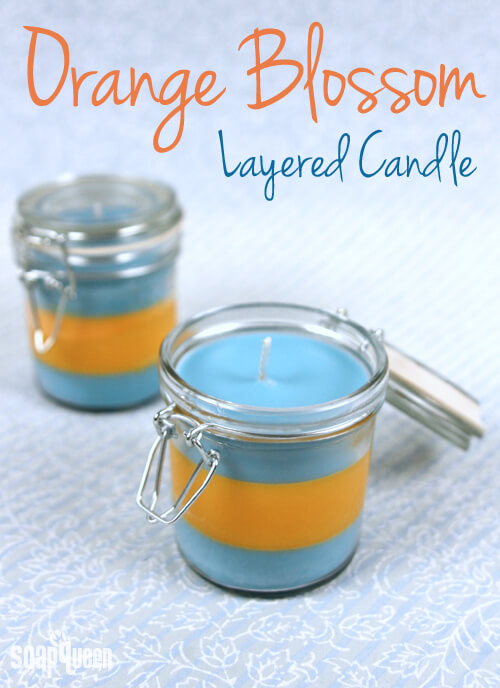
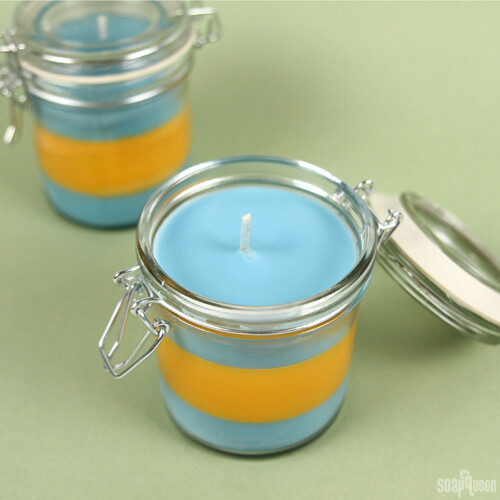
While candles are prominent in the fall and winter, when the correct fragrance is used candles are equally as enjoyable during summer. Using Orange Blossom Fragrance Oil, this candle project is perfect for adding fragrance and color to your home.
Need some tips for candle making? Below, I answer many common candle making questions. Covering everything from wick selection to frosting, your next candle project will be a breeze.
What You’ll Need:
16 oz. EcoSoya Advanced Soy Wax
Teal Wax Dye Block
Orange Wax Dye Block
Cd-16 Wicks (2 wicks)
.4 oz Orange Blossom (Candle and Soap) Fragrance Oil
8 oz Glass Bail Jars (discontinued)
Note: The Glass Bail Jars used in this tutorial have been discontinued. The kit now includes two Tapered Neck Candle Jars.

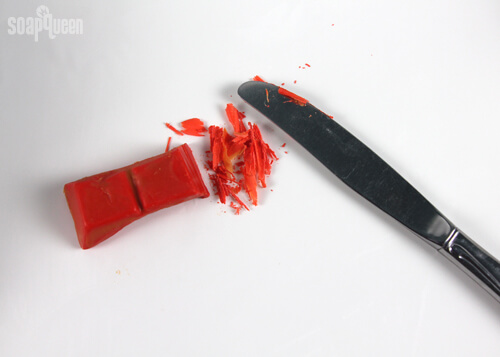
ONE: Shave off pieces of the Orange Wax Dye Block and Teal Wax Dye Block and set aside.
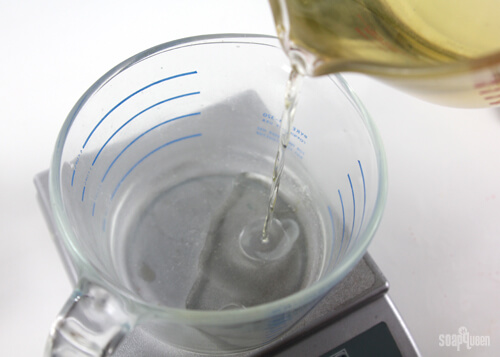
 TWO: Melt 16 ounces of EcoSoya Advanced Soy Wax in the microwave on 30 second bursts. Once thoroughly melted, pour 8 ounces of wax into a separate container.
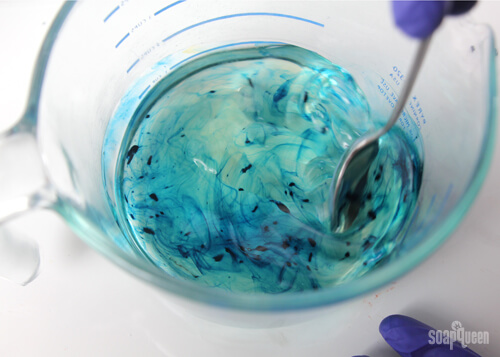
 THREE: Add shavings of the Teal Wax Dye Block to one container of melted wax, and shavings of the Orange Wax Dye Block to the other container. Use a spoon to thoroughly mix the color. To test the color before pouring, use the “Frozen Spoon Trick.”
 FOUR: Once you are happy with the colors, add .2 ounces of Orange Blossom Soap and Candle Fragrance Oil to each container. Stir to combine.
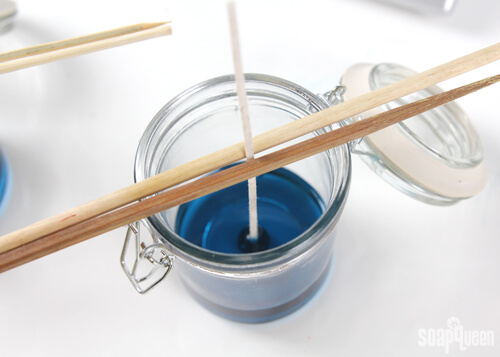
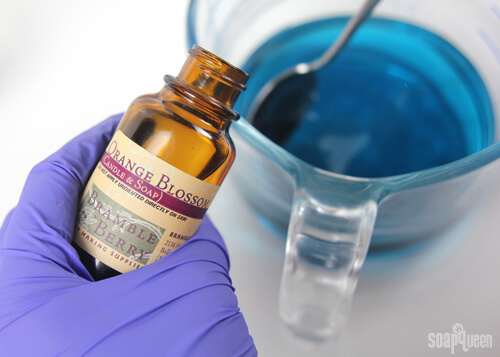 FIVE: Carefully pour 2 ounces of the blue wax into each 8 ounce bail jar. Place wick in the center, and use chopsticks, pencils or dowels to hold the wicks in place while the wax hardens.
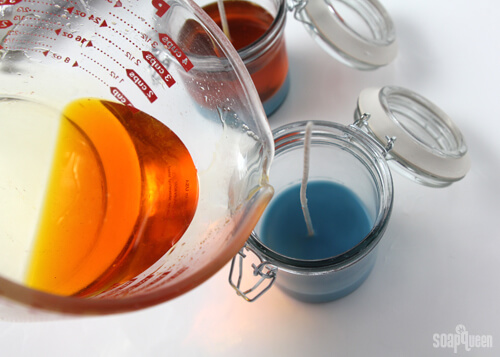
 SIX: Once the blue layer has cooled and hardened, pour 4 ounces of the orange wax into each glass bail jars. Pour the orange wax around 90 degrees to avoid it from melting the blue layer. At this point the orange wax may have cooled. Feel free to put it back into the microwave using 20 second bursts. Allow the orange layer to fully cool and harden.
Note: Dry time will vary depending on room temperature, but on average will take about 2 hours.
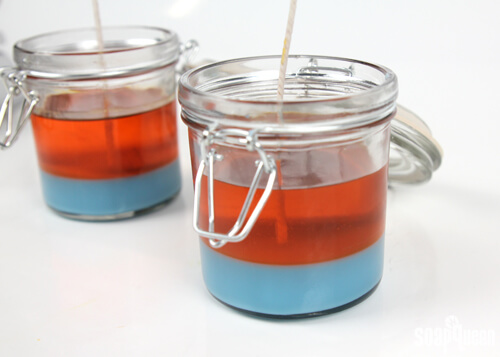 SEVEN: Pour the remaining blue wax evenly into each glass bail jar, about 2 ounces for each jar. Allow to fully cool and harden.
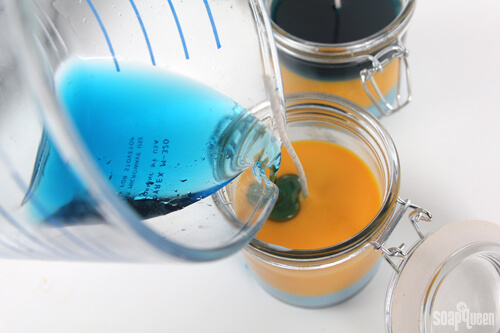 EIGHT: Trim the wicks, and allow the candle to cure for 48 hours. This allows the fragrance to set up properly. Enjoy!
Q: Help! The top of my candle isn’t nice and smooth, what do I do?
Lumpy tops, divots or bumps your candles can be caused by too slow of a cooling process. You can fix this in a couple of different ways. Try increasing (or decreasing) your pour temperature in increments of +/- 10 degrees. Adjusting your ambient temperature and increasing air flow can also help prevent problems with your candles. Another way to remedy this problem is to grab a heat gun and aim it at those trouble spots from a 3-5 inch distance.
Q: I put fragrance in my candle, and now I can’t smell it!
We always recommend allowing your candles to sit (or cure) for at least 48 hours before burning to make sure the candle sets up properly. Another thing you want to make sure of, is that you are using fragrance that is compatible with your candle wax. Typically, adding in your fragrances above 135°F is going to give your candle a good hot throw. And, Bramble Berry has recently reformulated the candle fragrance line to use in candles, soap and lotions. Now you can make perfectly matching candle, soap and lotion ensembles; some the team’s favorites are Apple Macintosh and Pumpkin Pie.
Q: How much fragrance should I use in my candles?
When making container candles, we typically recommend using your fragrance choice at 4-6% of your entire candle weight. If you would rather work with actual numbers than percentages, hop on over to to the this blog post to learn how to to convert from %s to actual numbers.
Q: What do I use to color my candles?
Micas and oxides are great for soaping projects, but they don’t work as well in candles because they can clog the wick. Because pigments are heavy, they may fall to the bottom of the candle. The best colorants to use in candles are Wax Dye Blocks. Extremely concentrated and easy to mix in, one ounce of Wax Dye Blocks can color approximately 100 pounds of wax!
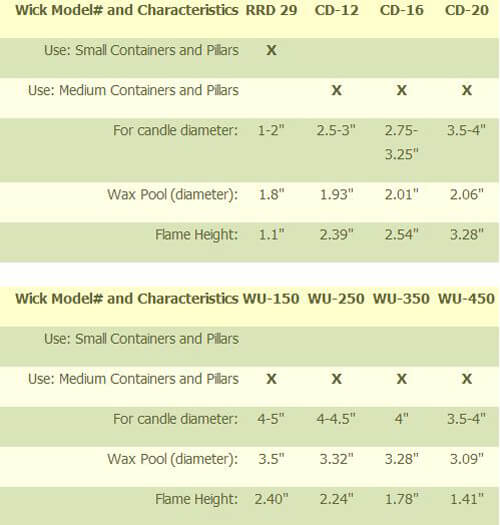
Q: What wick should I use for my candle?
When choosing a wick for your candle, it may seem that there are a million choices! Here is an easy chart that will help you decide:
Q: My candles are frosting, why?
Frosting on candles can occur when using soy or vegetable waxes and appears on the tops of candles as a white film or coating. Some factors that can affect the formation of frosting on your candles are fragrance, dye, pour temperature cooling temperature and storage temperature. If you find that your candles are frosting, try increasing or decreasing the pour temperature by 10 to 30 degrees. While the candles cool, ensure the ambient room temperature remains fairly consistent. A room temperature of about 70 degrees is recommended.
Q: My candles are pulling away from the container, why?
If you find that there are gaps between the container and wax, this often occurs because of fluctuating temperatures that cause the wax to expand or condense. This problem is sometimes referred to as “wet spots.” Unfortunately once the candle pulls away from the container, it will not adhere again. If you find your candles separate from your containers, try increasing your pour temperatures or pouring into warm containers so that the wax and containers cool down at the same rate.
