



• May 17, 2018

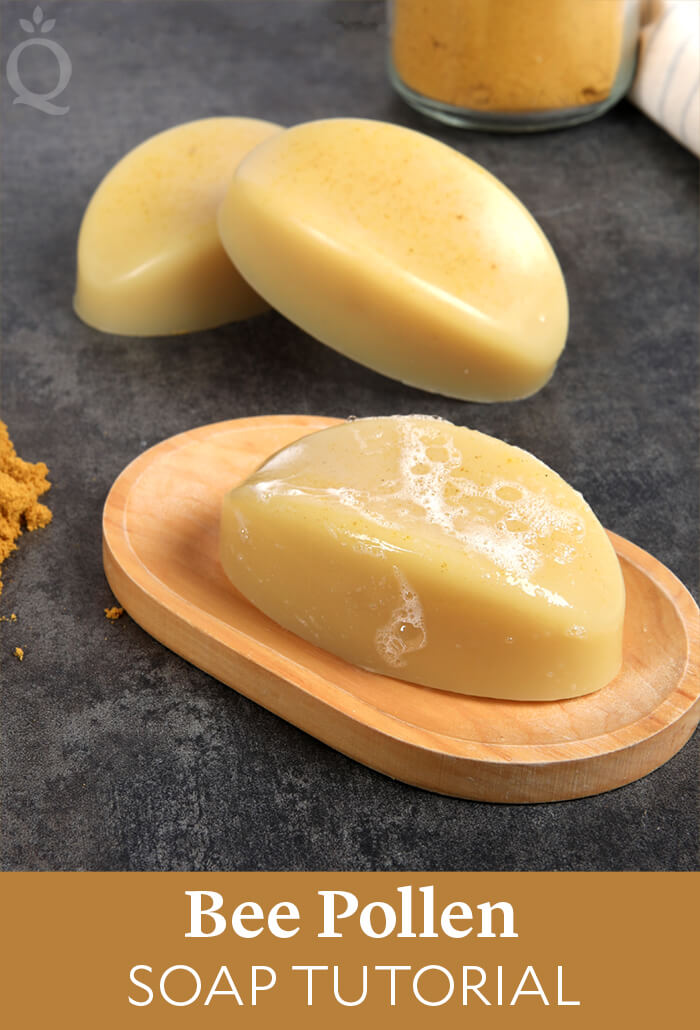
Bee Pollen Melt and Pour Soap Tutorial

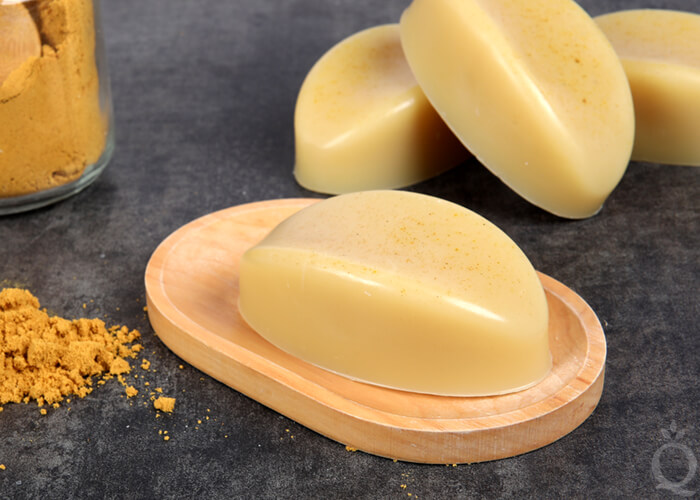
Bee pollen powder is created by safely collecting excess pollen from the legs of bees. The excess pollen creates granules, which are ground into a fine powder. It has a natural honey scent, similar to beeswax.

Bee pollen powder adds a light yellow color to white melt and pour and cold process soap, and a rich golden color to clear melt and pour bases. This recipe uses Honey Melt and Pour Soap and a touch of White Melt and Pour Soap to lighten the color.
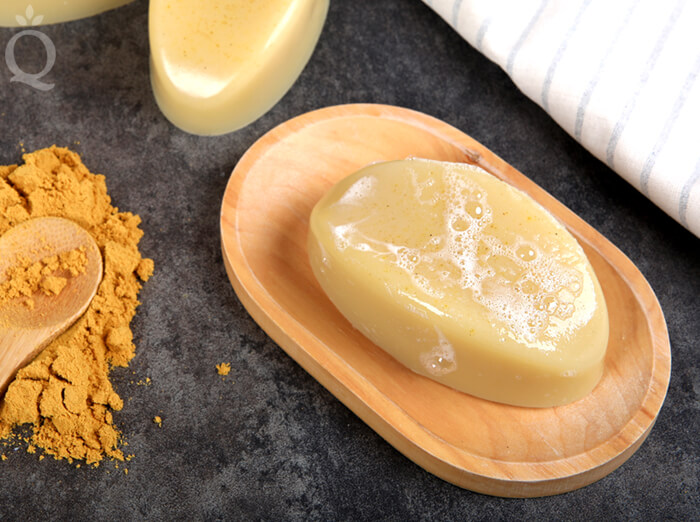
Bee Pollen Soap Tutorial

We used a very light amount of Pure Honey Fragrance Oil in this recipe to allow the scent of the bee pollen powder to come through. If you prefer a stronger scent, feel free to use more according to the Fragrance Calculator.

The bee pollen powder is part of the new Farmers Market Collection. Click here to see all the new items, including four new fragrance oils, powders, oils, and more. 

What You Need:
6 Cavity Silicone Organic Mold
20 oz. Honey Melt and Pour Soap Base
4 oz. White Melt and Pour Soap Base
0.2 oz. Pure Honey Fragrance Oil
2 tsp. Bee Pollen Powder 
99% Isopropyl Alcohol in a Spray Bottle

Click below to add everything you need for this project to your Bramble Berry shopping cart!

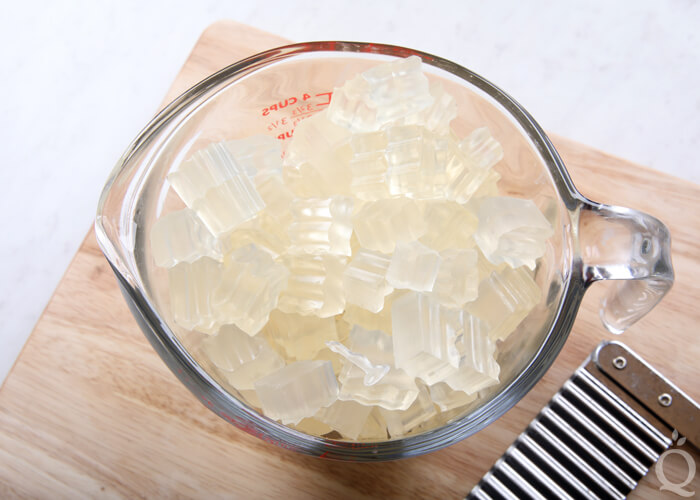
ONE: Chop 4 oz. of White Melt and Pour Soap Base and 20 oz. of Honey Melt and Pour Soap Base into small, uniform cubes. Place them into a heat-safe container and melt in the microwave using 20-30 second bursts.

One

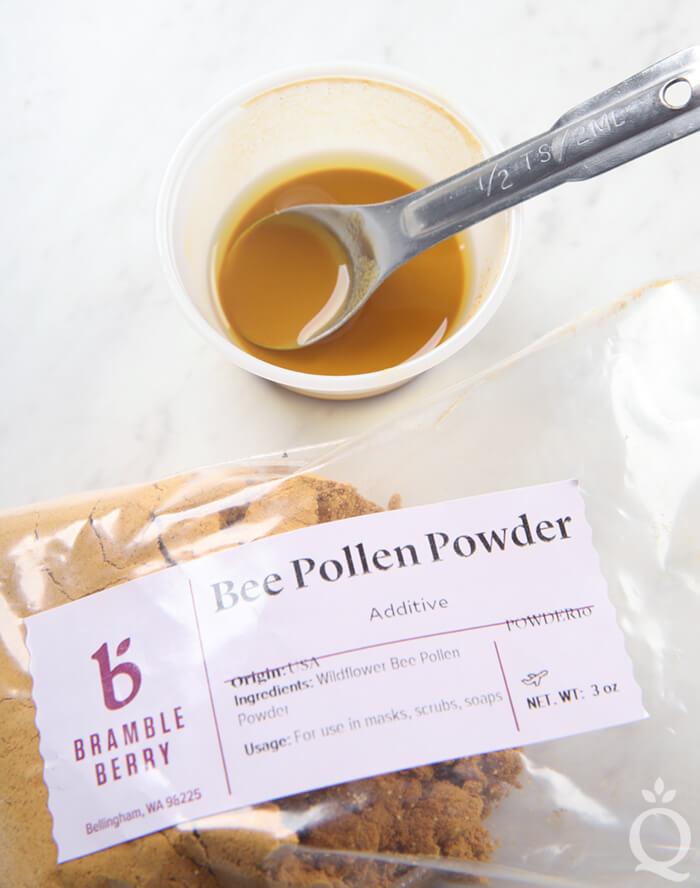
TWO: Mix 2 tsp. of bee pollen powder with about 1 Tbsp. of 99% isopropyl alcohol. That way the bee pollen mixes into the soap easily and without clumps.

Two

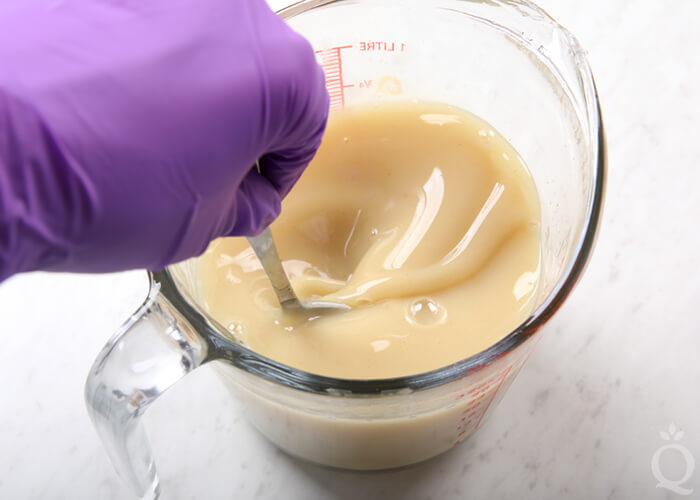
THREE: Add the bee pollen mixture to the melted soap and use a spoon to thoroughly mix together.

Three

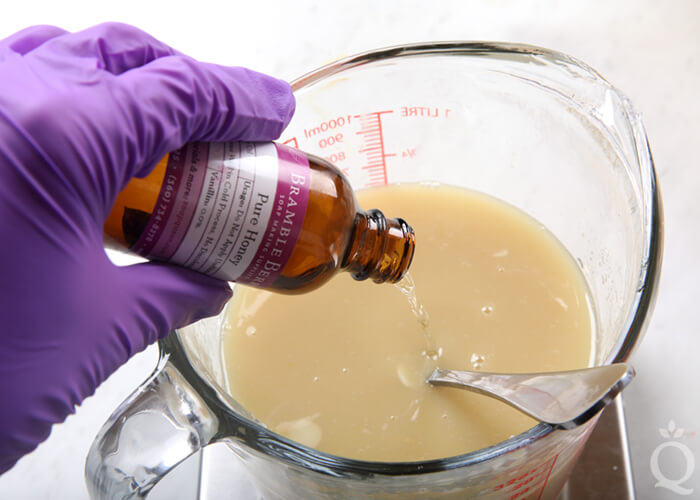
FOUR: Add 0.2 oz. of Pure Honey Fragrance Oil to the soap and stir to mix in thoroughly.

Four

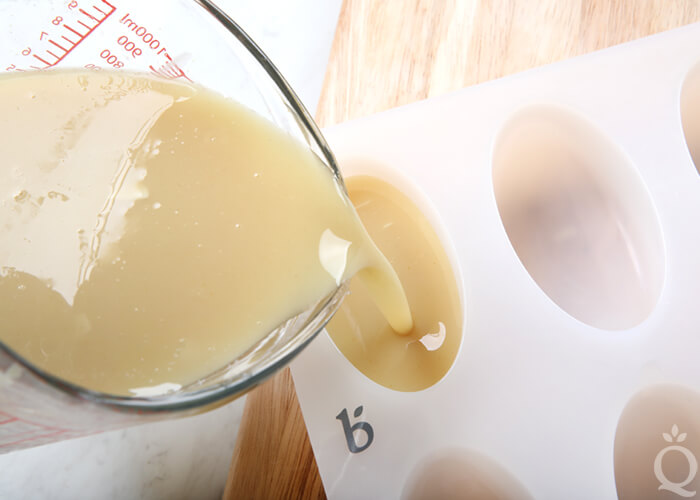
FIVE: Pour the melted soap into each cavity of the mold. After each pour, spritz with 99% isopropyl alcohol to get rid of bubbles. Allow the soap to fully cool and harden for several hours. Remove from the mold and wrap in plastic wrap to prevent glycerin dew. Enjoy.

FiveBee Pollen Soap DIY

Bee Pollen Melt & Pour Soap DIY

Soap Queen
Bee pollen powder adds a subtle honey scent and a beautiful golden color to these bars.
Cook Time 20 minutes
Total Time 20 minutes
Recipe type Melt and Pour Soap
Makes 6 bars of soap

Ingredients
  

  • 6 Cavity Silicone Organic Mold
  • 20 oz. Honey Melt and Pour Soap Base
  • 4 oz. White Melt and Pour Soap Base
  • 0.2 oz. Pure Honey Fragrance Oil
  • 2 tsp. Bee Pollen Powder
  • 99 % Isopropyl Alcohol in a Spray Bottle

Instructions
 

  • Chop 4 oz. of White Melt and Pour Soap Base and 20 oz. of Honey Melt and Pour Soap Base into small, uniform cubes. Place them into a heat-safe container and melt in the microwave using 20-30 second bursts.
  • Mix 2 tsp. of bee pollen powder with about 1 Tbsp. of 99% isopropyl alcohol. That way the bee pollen mixes into the soap easily and without clumps.
  • Add the bee pollen mixture to the melted soap and use a spoon to thoroughly mix together.
  • Add 0.2 oz. of Pure Honey Fragrance Oil to the soap and stir to mix in thoroughly.
  • Pour the melted soap into each cavity of the mold. After each pour, spritz with 99% isopropyl alcohol to get rid of bubbles. Allow the soap to fully cool and harden for several hours. Remove from the mold and wrap in plastic wrap to prevent glycerin dew. Enjoy.
Tried this recipe?Let us know how it was!

You may also like these

Become an email subscriber

Enter your email address below and you will receive all our new posts directly in your email inbox.

  1. Hello has the green problem been solved? I would love to make these but don’t want to order if the gifts for friends will discolor!

    1. We have received very few complaints about bee pollen powder turning green, but it does happen occasionally. Natural products can sometimes have color variations from one batch to the next.

  2. Wow I just ordered the stuff inckuding the molds! I don’t want green or brown soap. I was excited but now worried? Any idea at all what to do to prevent these things?

      1. We checked on our samples today and they do look like they’re turning slightly green. We’re going to get the website updated with that information.

  3. I made this soap 2 weeks ago and now the bar I’ve been using has turned green, has it gone bad?

      1. We tested this recipe again and so far the soap hasn’t turned green, so I’m not sure why that’s happening. Our soaps do look a bit more natural in real life compared to these photos, which are bright.

        I would recommend making a small test batch with the bee pollen powder and no fragrance to see if you notice the same results.

        1. We checked on our samples today and they do look like they’re turning slightly green. We’re going to get the website updated with that information.

  4. I am new to soaping—I have 4 batches under my belt. Can you please tell me how one measures 0.2 ounces of powder? Do you weigh it on the scale?

  5. Bee pollen can cause serious allergic reaction for some people. I can’t imagine putting pollen in soap on purpose…..

    1. This makes 6 bars of soap. You can find that information at the top of the post in the “Yields” section.

  6. How in the world do they collect enough pollen from bee legs to produce this on an industrial scale and how does it not cost more than gold!?!? Anyway, I’m looking for a new fragrance oil that behaves well and this one appears to behave very well so this post probably got brambleberry another sale. Thank you!

    1. Bee Keepers actually use pollen catchers in the bottoms of their hives. It catches all the pollen that naturally falls off the bees or out of combs while the bees are working. Bee life is amazing!

  7. I made this a few weeks ago…i added the honeysuckle scent….I found the bee pollen started to mold after about two weeks… is there any thing i can do to fix it

    1. The bee pollen shouldn’t be molding. Is the soap turning brown? Let me know and I can help you troubleshoot.

      1. Yes its turning brown… only in certain spots though. Also I’ve noticed my soaps suddenly have a dew collecting on top…what could be causing this

        1. The dew is caused by the glycerin in the soap base. It attracts moisture to the bars. To prevent that, you can wrap the soap tightly with plastic wrap and store it in a cool, dry place. Get more tips here: https://soapqueen.com/personal-ramblings/augh-whats-that-all-over-my-soap-2/

          For the brown spots, can you send a photo? That would be really helpful. You can send that to the Bramble Berry Facebook page: https://www.facebook.com/BrambleBerry/

  8. 5 stars
    Would adding a small amount of real honey throw off the texture of this simple recipe? Thanks in advance!

    1. Melt and Pour soap has already saponified, so adding honey can cause the soap not to harden.

Comments are closed.

{"email":"Email address invalid","url":"Website address invalid","required":"Required field missing"}

The Latest from Soap Queen TV

Inspired by Gems & Crystals

All About Essential Oils

The Power of Charcoal

Create Your Own Clay Face Mask

DIY Bath Bombs

Cold Process Soap Tips & Tricks

Learn the Basics of Cold Process Soapmaking

Learn the Basics of Melt & Pour Soapmaking

Want to Start Your Own Soap Business?

Soap Business Success Stories

Soap Queen TV Favorites

Ingredient Spotlight

Disclosure

Unless stated otherwise, all images are original material and are copyrighted. If you'd like to use an image, please be a friend and credit the photo and link back to Soap Queen. Feel free to share, tweet and pin to your hearts content.