





A simple handmade cold process soap is made up of oils, butters and sodium hydroxide lye. Various oils give handmade soap different properties, so each combination of oils will make a unique bar. Click here to learn more about the various properties of common soap making oils. To take your soap making oils to the next level, they can be infused with dried herbs such as lavender, chamomile, marigold and so many more. Infusing oils with herbs can add color, a light scent or skin-loving properties to your oil. If you’d like even more in-depth information on infusing oils including working with teas and clays, check out my E-Book Infusing: Herbs, Spices, Teas & Clays.
There are several different methods of infusing oils. These include infusing the oils on the stove top, in a Crock-Pot and cold infusion. When infusing oils with heat, such as on the stove or in a Crock-Pot, the process takes anywhere from 20 minutes to 4 hours. The time will depend on how hot your oils are and how concentrated you’d like the infusion to be. With cold infusion, herbs are added to room temperature oil and set aside for 4-6 weeks. If using the cold infusion method, be sure to use an oil with a long shelf life.
In addition to herbs, powders can also be infused into oil. Infusing powders in oil prevents speckles of powder that can occur when the powder is added directly to the soap. Popular powders for infusing include madder root powder, olive leaf powder, alkanet root powder and safflower powder. Indigo powder is an interesting ingredient, as it benefits from being added to reconstituted lye water rather than oils. The result is a darker, more intense blueish gray color.
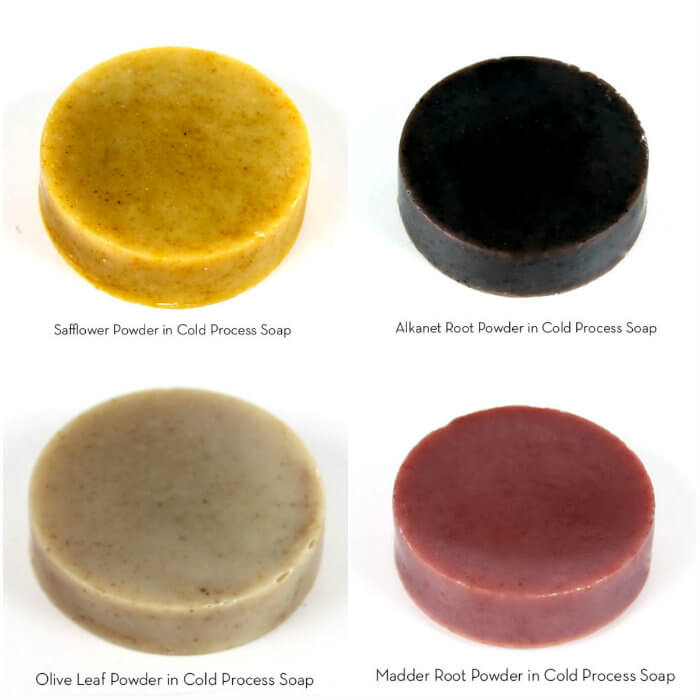 Top row: Safflower Powder, Alkanet Root Powder
Bottom row: Olive Leaf Powder, Madder Root Powder
Common oils used for infusing include sweet almond, olive oil, avocado oil and chia seed oil, but almost any lightweight liquid oil can be used. When selecting your herbs, it’s best to use dried herbs. The moisture content of fresh herbs could promote mold and bacterial growth in your oil. Generally, hard oils such as coconut or palm are not infused, although they can be used if using the stove or Crock Pot method.
Infused oils can be used in cold process soap and other projects that include lightweight liquid oils. This includes bath bombs, massage oils, lotions, lip balm and scrubs. For example, calendula is infused in sweet almond oil in the Infused Lip Balm video on Soap Queen TV. For cold process soap specifically, it’s debatable if the skin-loving properties of herbs survive the saponification process, but it’s fantastic from a marketing and label standpoint. If you’re looking for more recipes using infused oils, check out the tutorials below!
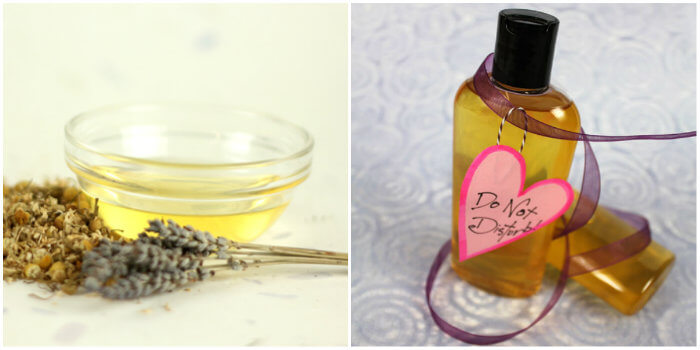
Baby Massage Oil on Soap Queen TV
Sensuous Rose-Infused Massage Oil
Hot Oil Hair Treatment
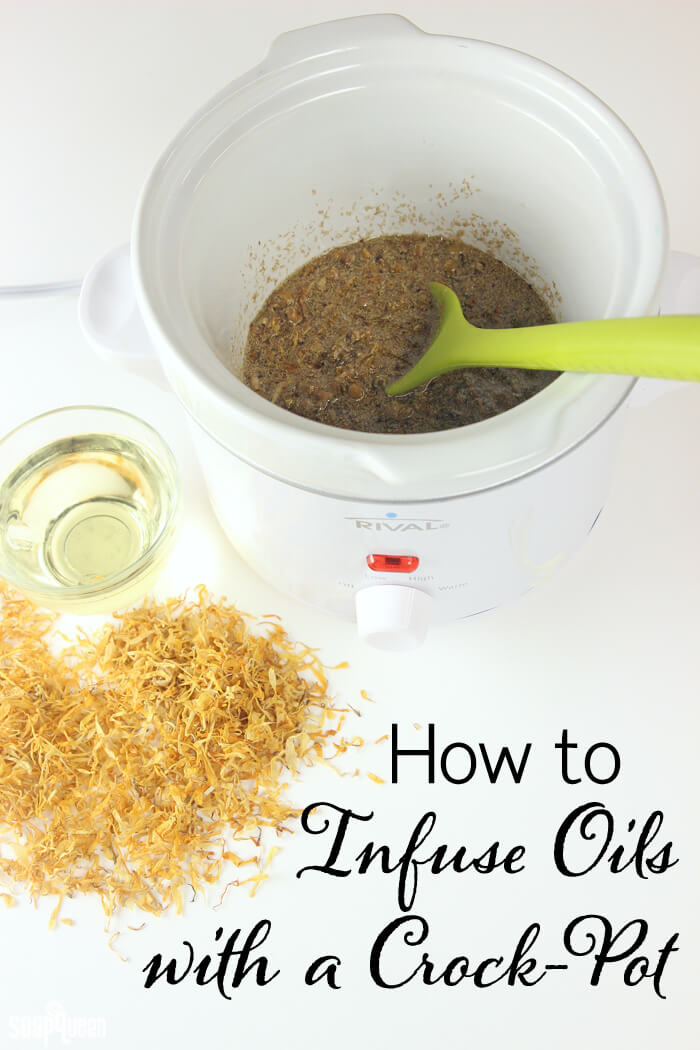
I love using a Crock-Pot to infuse my oils because the temperature remains steady for long periods of time, and the bottom of the Crock-Pot will not burn the herbs. The amount of time it takes to infuse your oils will depend on your Crock-Pot. It will also depend on your personal preference. It’s important to remember that infusing oils is not a concrete science; the amount of oil and herbs used will depend on your recipe and how strongly you want to infuse the oil. In general, a good place to start is 1 tablespoon of herb per ounce of oil.
For this infusion, I’m creating a blend of both chamomile herbs and calendula petals. Both of these herbs are known for their gentle, skin-soothing properties. I’m using 16 oz. of sweet almond oil with 8 tablespoons of calendula petals and 8 tablespoons of chamomile herbs. Roughly, that was about .6 oz of chamomile and .2 oz of calendula. Place both the herbs and oils into the Crock-Pot, stir and set the Crock-Pot to low. If you’d like, you can add your herbs into a sealable tea bag. This extra step means you won’t need to strain the oils later.
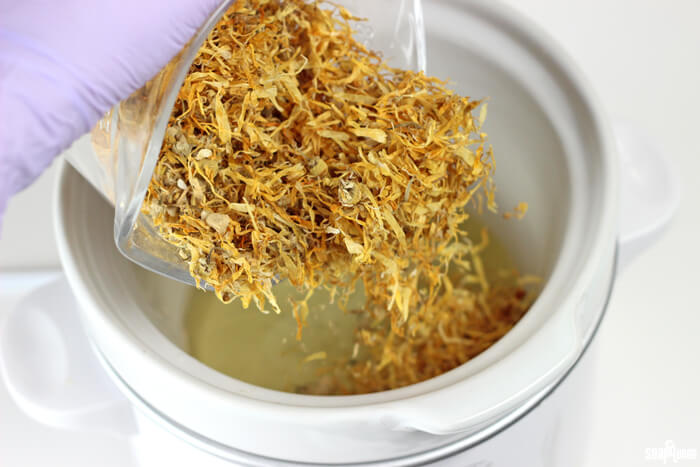
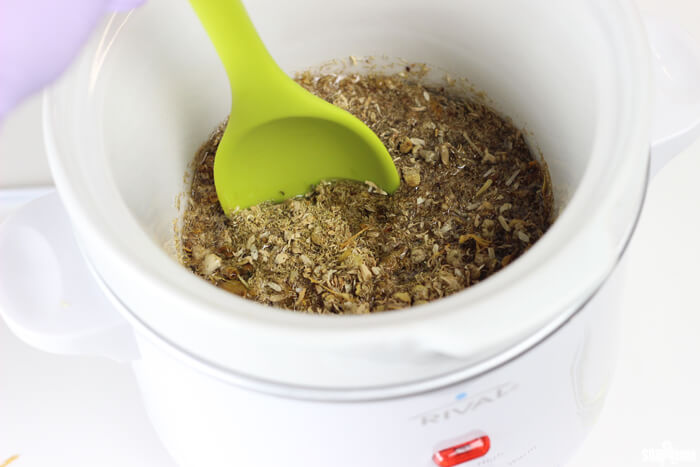 Cover the Crock-Pot with the lid and allow the oils and herbs “cook” for about 30 minutes. After that time, you may notice the oils start to slightly change color. At this point, you can strain the oils from the herbs, or you may choose to infuse them a little longer. I let my oils and herbs infuse for another hour to get all the benefits from the herbs.
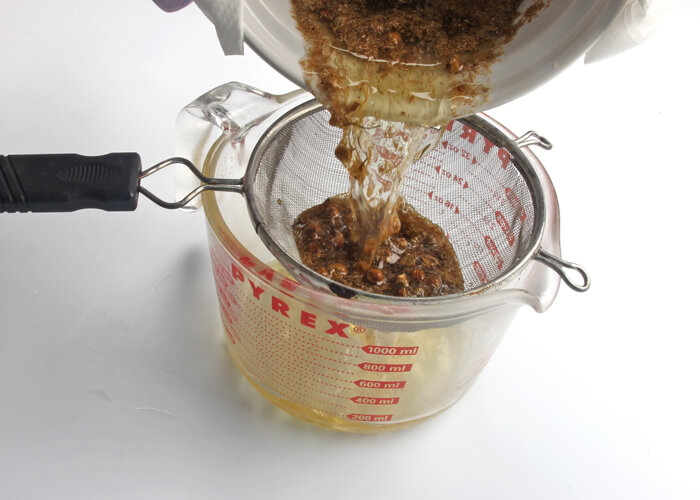 Once you are finished infusing the oils, allow them to cool slightly. Pour the oils through a strainer and into a heat safe bowl. If you find that small pieces of the herbs are still in your oil, you can pour them through a cheese cloth, coffee filter or thin paper towel to remove them.
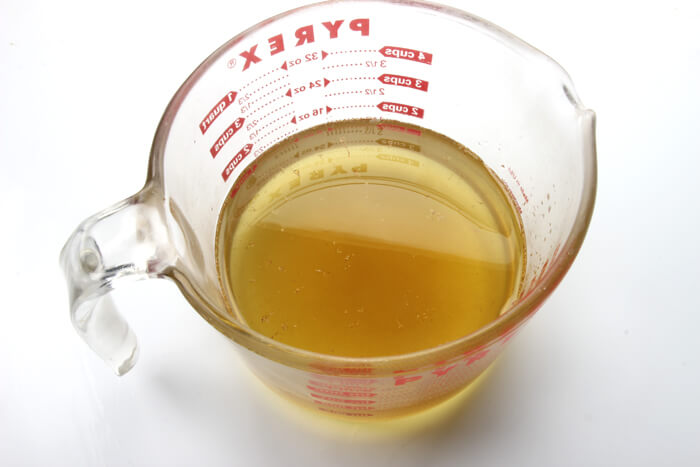 Transfer your oil into a sealable container and write the date in which it was infused. Store in a cool, dark place to ensure your oils last as long as possible. The shelf life of the infusion will be the same as the shelf life of your oil. Find shelf lives for common oils here. The oil can then be used as normal in your soap, lotions, balms and more.
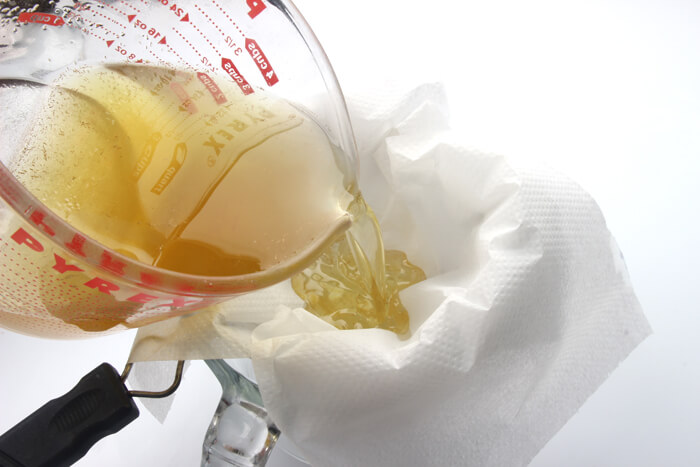
Curious about some more infusing options? The list below has a few common infusing herbs, and what they add to your soap. Do you have a favorite oil to infuse?
Common Infusing Herb Properties:
Alkanet Root Powder: Adds a grey-ish purple color to cold process soap.
Annatto Seed: Adds an orange tint to cold process soap.
Chamomile Herb: Known for its calming and soothing properties.
Indigo Powder: Gives soap a blue gray hue; we recommend reconstituting indigo powder in your lye solution.
Lavender Buds: Known for its relaxing scent.
Madder Root Powder: Gives a reddish color to cold process soap.
Marigold (Calendula): Known for its skin-soothing properties. Can give a slight yellow/orange tint to soap.
Olive Leaf Powder: Gives a greenish-grey color to cold process soap.
Rose Petals: Great for marketing; does not add much scent.
Safflower Powder: Gives a yellow hue to cold process soap.
