




• November 30, 2014

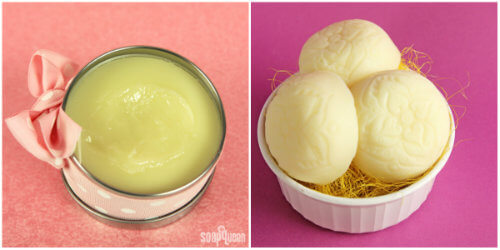
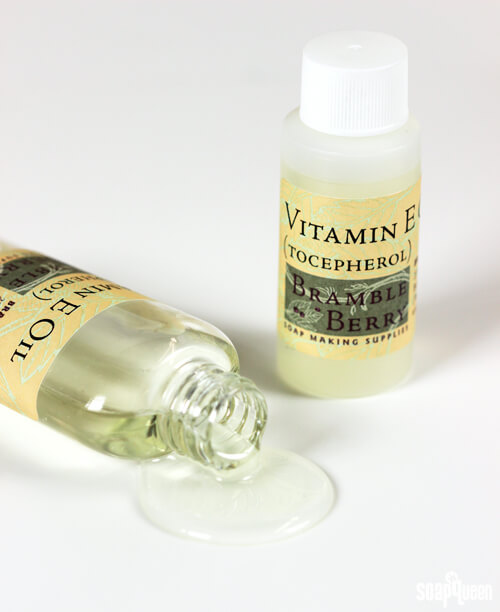
Final_500pxEasy to use in a wide variety of projects, vitamin E oil is a fat soluble antioxidant. Thick and rather sticky, vitamin E oil is great for use in lip balms, lotion, balms and soap. It is well known for its skin loving properties, including its ability to protect the skin from free radicals.

Vitamin E refers to two classes of molecules, tocotrienols and tocopherols. Both classes of molecules consist of four different forms: alpha-, beta-, gamma-, and delta-tocotrienol/delta-tocopherol. Tocopherol is often considered the most important to the human body. Tocopherols can also be found in some foods, such as tomatoes, almonds and some vegetable oils.
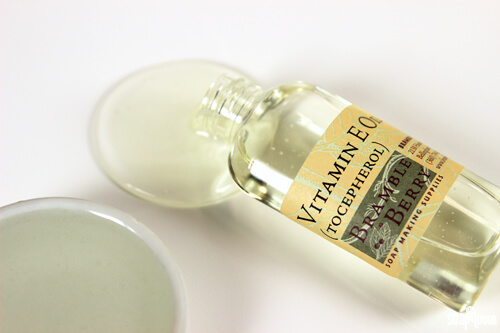
Final2_500px

Vitamin E oil can be used in fixed oils to help prevent rancidity. This is especially helpful when using oils with a low shelf life, or when making soap with a high superfat. Soap made with a high superfat or with short shelf life oils is more likely to develop dreaded orange spots, aka: DOS. Adding vitamin E oil to the oils helps prevent oxidative rancidity, making DOS less likely. Learn more about dreaded orange spots here. While vitamin E oil can extend the life of fixed oils, it is not a preservative as it does not prevent mold and bacterial growth.
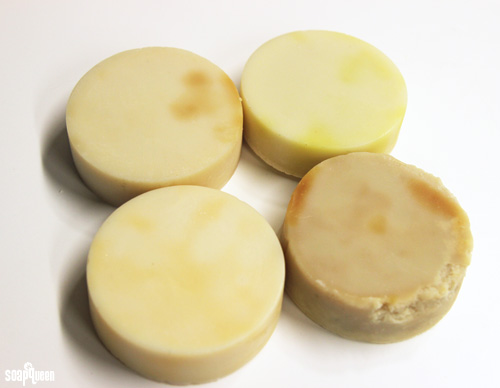

Vitamin E oil helps prevent oil rancidity, which can contribute to DOS. 


Vitamin E oil
is a fabulous addition to leave on products. In the Nourishing Nail Oil and Rosemary Lavender Cuticle Salve tutorials, vitamin E oil helps condition and moisturize dry hands and nails. In the Healing Under Eye Serum, vitamin E Oil is used to add anti-oxidant power to the delicate under eye area.
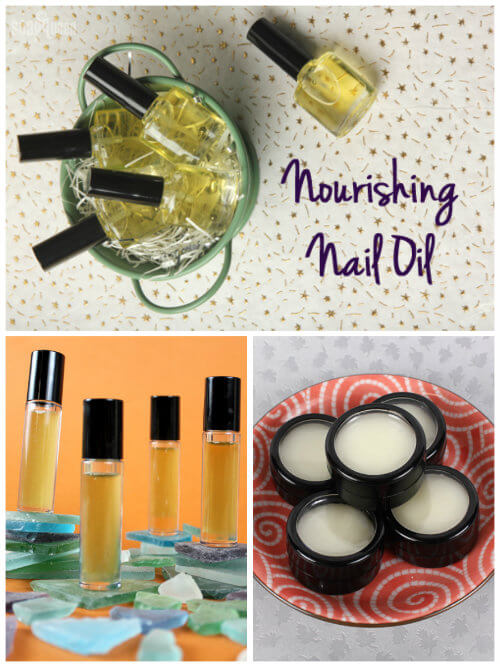
nailcollageTop, clockwise: Nourishing Nail Oil, Rosemary Lavender Cuticle Salve, Healing Under Eye Salve 

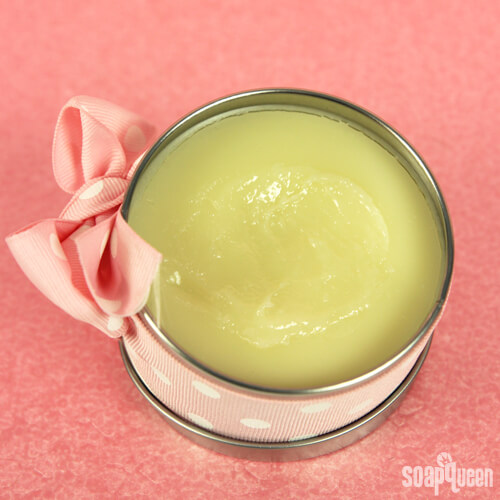
Vitamin E oil is commonly used on scar and other skin imperfections. Because of this, vitamin E oil works wonderfully in solid lotion bars and salves. The Soothing Lavender Breast Balm uses vitamin E Oil to help soothe irritated skin. Vitamine E oil would make a great addition to recipes such as the Everything Balm, or Argan and Sandalwood Vanilla Lotion Bars.

BreatBalm_Square_2014

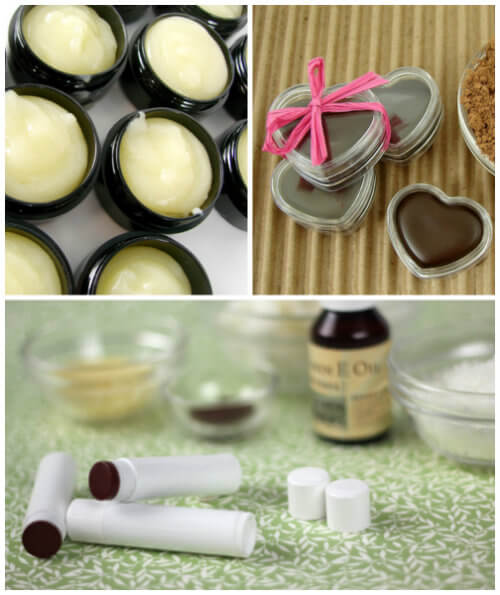
Lips need extra TLC as well, and vitamin E oil is a great way to give them additional moisture. Because of its thick texture, using vitamin E oil in lip products also give lip products a luxurious feel. If your lips are dry, the Exfoliating Kisser Scrub removes dry skin making lip balm absorb better. Vitamin E oil is used in both the Chocolate Lip Balm with Cocoa Powder and the Honey Kisses Sheer Lipstick to provide extra skin-loving propertie.
lipcollage

Top left, clockwise: Exfoliating Kisser Scrub, Chocolate Lip Balms with Cocoa PowderHoney Kisses Sheer Lipstick

How do you incorporate vitamin E oil into your projects? 

You may also like these

Become an email subscriber

Enter your email address below and you will receive all our new posts directly in your email inbox.

  1. Hi!
    I’m new to the soap/skincare world and your website fascinates me! I have a question similar to what someone has asked previously though so I hope you don’t mind. Basically I’m trying to produce all natural soap/body butters and I’m struggling with getting honey/vanilla out of bottles (I’ve ordered Vit. E and see that this is also a problem, hence why I’m asking in this chain of comments). Thing is, you suggested using either mineral oil, cooking spray or cyclomethicone to help glide these out and I’m not sure if these are allowed because I don’t have a clue what they are and it doesn’t sound very “natural”. The EU regulations/guidelines are so strict that if there’s a trace of anything that I haven’t mentioned in my labelling then I don’t want to get in trouble – I think I’m being over paranoid but I just don’t know who else to ask. Is cooking spray basically olive oil or vegetable oil? I would be hugely grateful for your help. X

    1. Hi Christina!

      I can definitely help you out! Just to clarify, would you like to know how to get your soap to unmold nicely with no drag marks? What oils are in your recipe? Let me know and I’ll offer some alternatives to mineral oil. 🙂

      -Kelsey with Bramble Berry

  2. Hi, I bought grape seed skin care oil with vitamin E, would that not be good to use for soap?

    1. Hi Veronica!

      Typically, vitamin E oil is added to fixed oils to help prevent rancidity. If your grapeseed oil already has that, it should be fine to use in soap! A small test batch may be helpful to check just in case. 🙂

      -Kelsey with Bramble Berry

    1. Hi Julie!

      You can add the vitamin E oil into your main batch of oils, or at trace. It works great either way. 🙂

      -Kelsey with Bramble Berry

    1. Hi James!

      Adding extra ingredients to melt and pour can be tricky. Because the bases have already turned into soap, extras can make them greasy, crumbly or oily.

      I would recommend adding about 1 tsp. of vitamin E oil per pound of soap. That should give you the benefits of vitamin E without affecting the final texture of your soap. 🙂

      -Kelsey with Bramble Berry

      Shaving Melt and Pour Base: https://www.brambleberry.com/Shaving-Melt-And-Pour-Base-P4384.aspx

      1. Hi..
        when you say..”about 1 tsp. of vitamin E oil per pound of soap per pound of soap”.. are you referring to only the weight of the oils or with the water included? – I asked because on my batch I was 79 oz of total oils without the water..with water would be 102 oz.
        Thanks.

        1. Hi Mac!

          The 1 teaspoon is per pound of the total batch of soap, which includes oil, lye and water. In your case, it would be 1 teaspoon per pound in 102 ounces. 🙂

          -Kelsey with Bramble Berry

  3. I use very small amounts of Vitamin E oil in my lotion bars and lip balms. Do you have any tips for working with such a sticky oil? I normally just do a slow pour out the top of the bottle to try to get the correct amount (a few grams by weight) in my recipes, but it is quite messy and due to the shape of the bottle, I lose a lot of the product when it drips down the side of the bottle. Any advice on pouring out small amounts of oil at a time would be helpful!

    1. Hi Alicia!

      I’m so glad you like the oil! When we work with vitamin E oil, we typically pour it out of the bottle. We’ve tried to use droppers, but the mixture is so thick that doesn’t work well!

      When I’m baking and have to measure out honey, I pour it into a measuring cup lined with cooking spray to help it slide out. This may work with the vitamin E, as it has a similar texture! You may try pouring the vitamin E oil in a container lined with a very thin layer of mineral oil or cyclomethicone. That may help it slip out nice and easy and prevent messes. 🙂

      -Kelsey with Bramble Berry

      Cyclomethicone: https://www.brambleberry.com/Cyclomethicone-P4560.aspx

Comments are closed.

{"email":"Email address invalid","url":"Website address invalid","required":"Required field missing"}

The Latest from Soap Queen TV

Inspired by Gems & Crystals

All About Essential Oils

The Power of Charcoal

Create Your Own Clay Face Mask

DIY Bath Bombs

Cold Process Soap Tips & Tricks

Learn the Basics of Cold Process Soapmaking

Learn the Basics of Melt & Pour Soapmaking

Want to Start Your Own Soap Business?

Soap Business Success Stories

Soap Queen TV Favorites

Ingredient Spotlight

Disclosure

Unless stated otherwise, all images are original material and are copyrighted. If you'd like to use an image, please be a friend and credit the photo and link back to Soap Queen. Feel free to share, tweet and pin to your hearts content.