




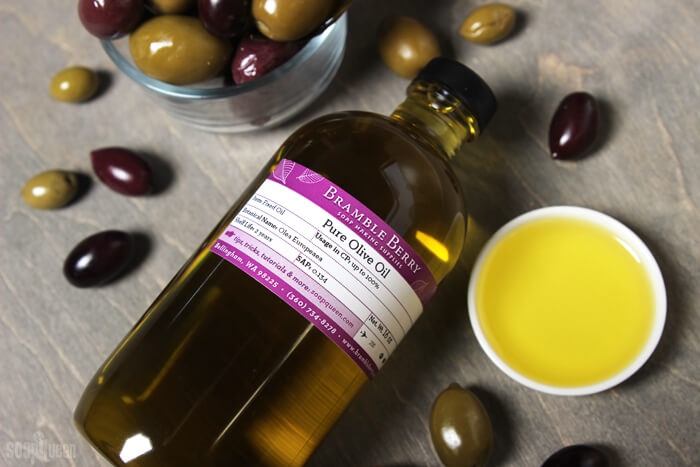
Olive oil is one of the most popular soaping ingredients. It gives cold process soap a gentle, mild lather and can be used up to 100% of your recipe! Soap made with only olive oil is known as Castile soap. The term “Castile” comes from the Castile region of Spain, where the soap is thought to have originated. Mentions of Castile soap have appeared in books as early as 1567. It’s one of the oldest soaps known to mankind. Pretty crazy that it’s still being made and used today…must be good stuff! 😉
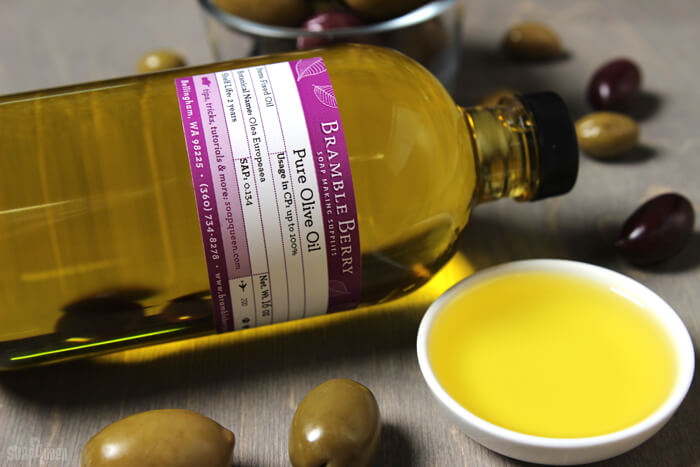
Olive oil can also be used in a variety of products, including soaps, scrubs, lotion and more. Keep in mind it does have a natural yellowish green hue, which can affect the color of your final product. It’s also important to purchase your olive oil from a quality source. In the All Olive Oils Are Not Created Equal post, we tested ten brands of olive oil in cold process soap from a variety of grocery stores. The results will surprise you! Some of the oils produced DOS (oil rancidity) quickly, while other bars had a strange texture. The bottom line? Purchase your soaping olive oil from a reliable vendor who turns around their olive oil supply quickly.
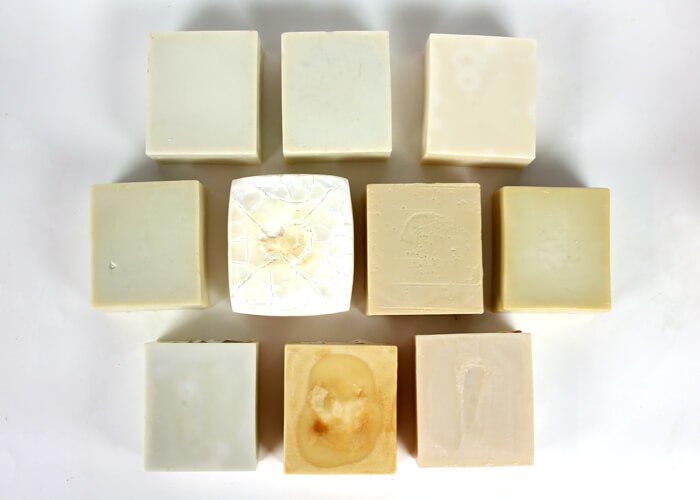 You can soap with olive oil purchased from grocery stores, but it can be risky! We tested ten brands of grocery-store-purchased olive oil, see our results here.
If you’d like to make Castile soap, check out the Castile Cubes recipe. The recipe is made with 100% olive oil and is scented with Neroli & Shea Blossom Fragrance Oil. The batter is poured into the 9 Cube Soap Silicone Mold, and then the waiting game begins! Because olive oil is a soft oil, Castile soap takes a long time to harden in the mold. This is especially true when using a silicone mold. For the Castile Cubes, the soap may need several weeks to harden in the mold. Adding sodium lactate, water discounting and promoting gel phase will help expedite the process, but patience is still key when making Castile Soap.
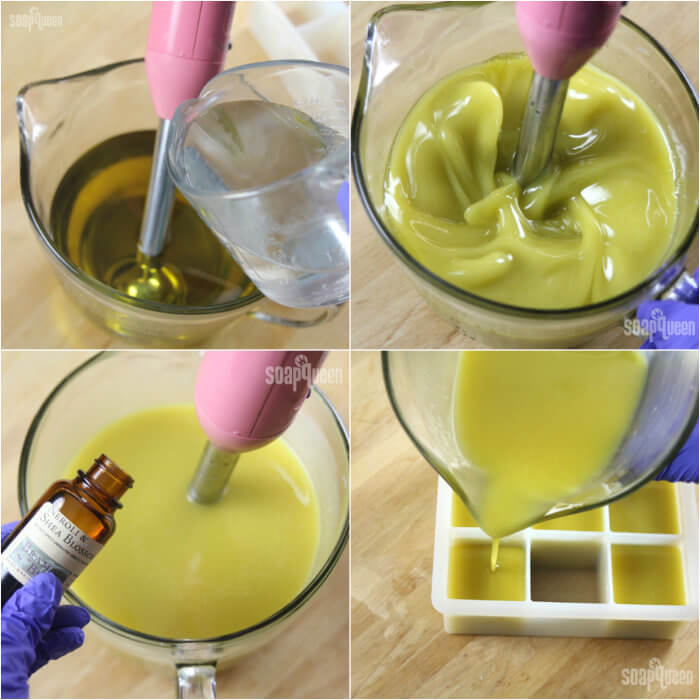 Castile soap takes a long time to harden in the mold because it’s a soft oil. Patience is key!
In the Simple Castile Cold Process Soap Tutorial, Tomato Leaf Fragrance Oil gives the bars a light, herby scent. To help with the unmolding process, this recipe has a 20% water discount. I also added sodium lactate to the lye water and insulated the mold to help speed up the saponification process. With those techniques, I was able to unmold the bars after 2 days! Click here to see the full tutorial and recipe.
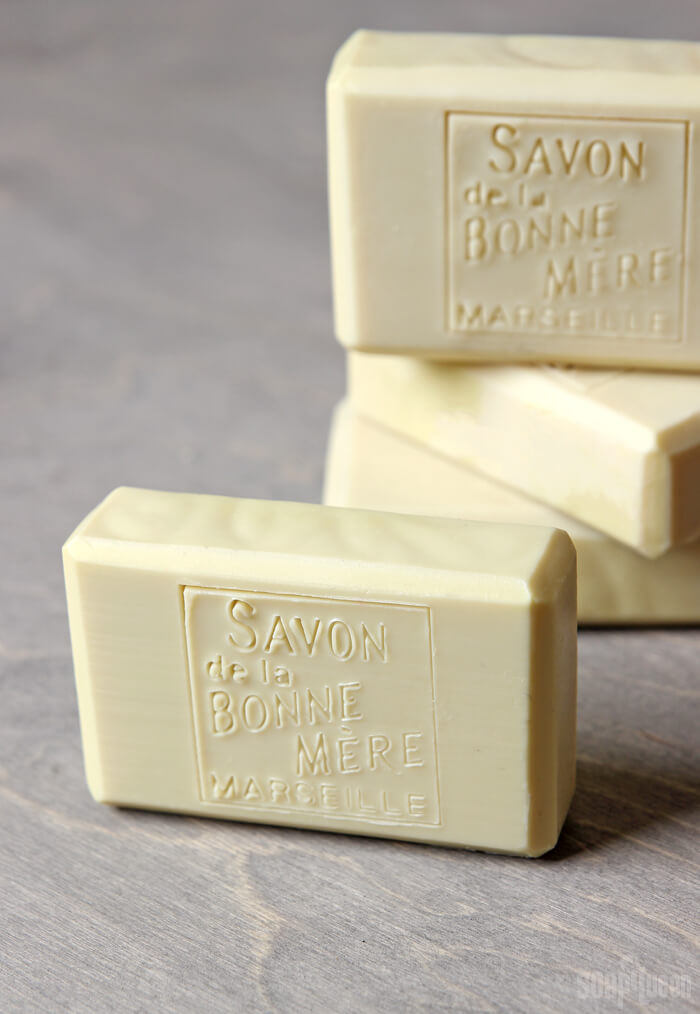 The Simple Castile Soap Tutorial creates elegant looking bars, which are stamped with the Savon Soap Stamp.
Castile soap is gentle and great for dry and sensitive skin. But, it does have minimal lather and can feel a little sticky, even when cured. If you’d like to add firming, lathering and cleansing properties to the bar, I would recommend adding coconut oil. Soap with at least 70% olive oil is referred to as “Bastille” soap. Bastille soap is still gentle, which makes it suitable for baby skin. In the Buttermilk Bastille Baby Bar video below, a combination of olive oil, coconut oil and carrot puree create a creamy and mild bar.
Want to incorporate olive oil into other projects? The Olive Oil & Dead Sea Salt Scrub contains pure olive oil and fine grained Dead Sea salt for an easy and coarse scrub. This scrub can also be used as a bath salt. Because it’s made with only oil, be careful when getting out of the tub – it can make the floor quite slippery! If you want to cut the greasy feel, you can add potassium cocoate at about 10% of the recipe.
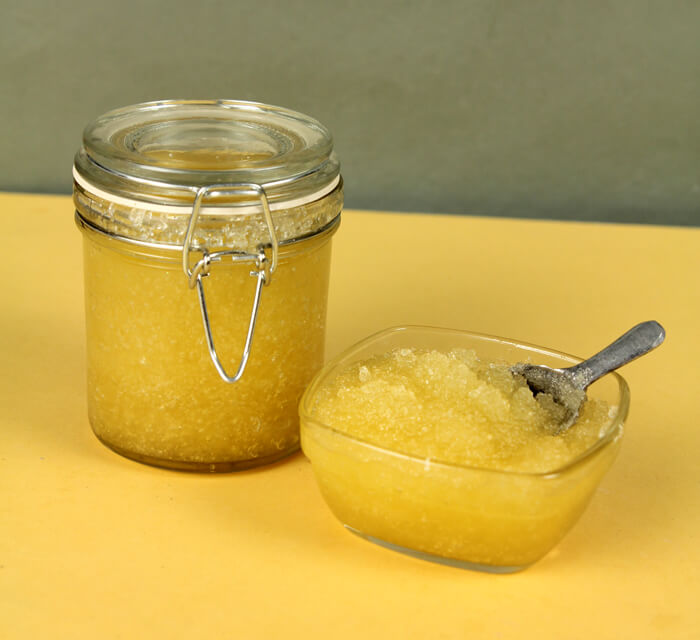 Olive oil makes a great base for salt and sugar scrubs!
If you’re a melt and pour soaper, the Olive Oil Melt and Pour Base is a great option. It’s made with 20% kosher grade A Extra Virgin Olive Oil. It does have a light yellow color that may darken over time, as well as a distinctive smell. It’s an amazing base for sensitive skin! Another way to incorporate olives into your melt and pour (or cold process!) is with olive leaf powder. This natural colorant gives soap a light green color and is known for its astringent properties. It’s added to the Tea Tree & Rosemary Cleansing Bars, which are great for oily skin.
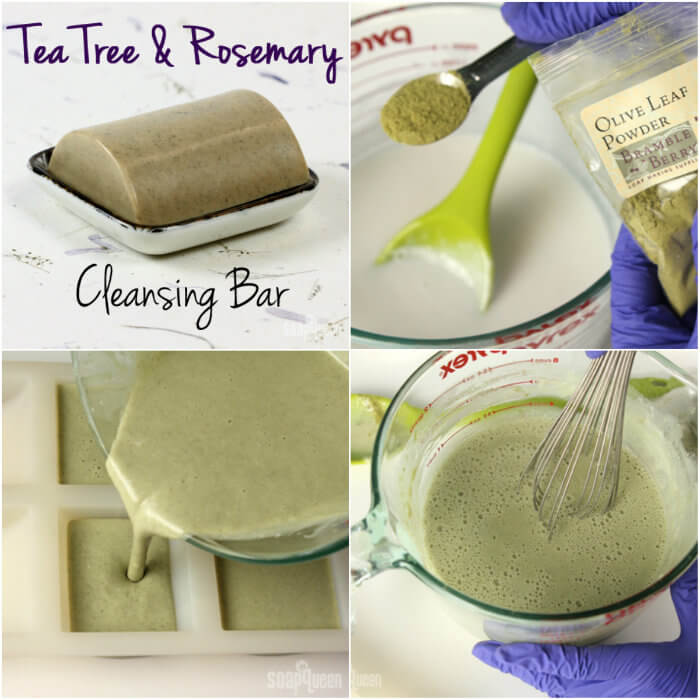 The Tea Tree & Rosemary Cleansing Bars are made with olive leaf powder and tea tree essential oil.
Do you use olive oil in your recipes? I use it in a majority of my cold process projects! It’s great for slowing down trace. What’s your favorite way to use the classic soaping oil?
