





Wholesale opens new doors for anyone in business. It allows you to move a lot of product with minimal effort. Yes, you get less money than retail orders, but if you work smart, you can still make a lot of money. Before going after the accounts, being prepared is the key to success. To do that I encourage:
1. Have your pricing for wholesale accounts set. I know that sounds silly, but I have spoken to many sellers that get interest from a possible account, set a price, and later learned that they are not making any money on the account. Know what your product costs to make, what your time is worth, and set your price accordingly. One easy formula is Product Cost (materials plus your time) x 3 = wholesale cost. Wholesale cost x 2 equals your retail cost. Most wholesale accounts want to be able to double their cost when selling the item. If you retail, you are also competing with those accounts for customers, so ensuring you both can have similar price points is important. You don’t want to be undercut, nor do your accounts. In addition, there is nothing wrong with excluding some products in your wholesale line up. If they are time consuming, or have a lower profit margin, save them for your own retail line.
2. Have clear terms set. Do you want to require a large opening order, but allow for lower reorders? Or do you want every order to be over a certain amount? Do you only want to sell to brick and mortar stores, or are online stores acceptable? How long will it take you to deliver orders? Do you ship, personally deliver, or do the accounts have to pick the items up? What are your payment terms? Do you want payment on delivery, before the order is mailed, or will you allow 30 or 60 day terms for payment? Set clear terms upfront to help avoid confusion down the road.
3. Figure out shipping options. One mistake I made was not figuring out shipping options head of time. If I had, I would have saved myself from paying for shipping out of pocket when I undercharged a customer. Figure out how many soaps fit in the different flat rate boxes. Do the same for other products you have. If you can fit 50 bath bombs in a large flat rate advertise that! Knowing they can order a larger amount and pay the same in shipping may encourage larger orders to take advantage of the lower shipping rates.
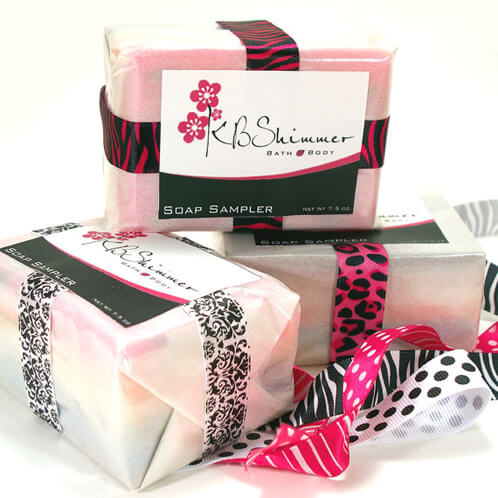
4. Shop your potential accounts. If you want a local store to carry your products, go there! See what else they carry. How are their products displayed? What scents do they have? Is their look in line with your product? There is nothing more awkward then trying to sell sleek and modern to a primitive shop! And for that matter, will your packaging hold up in the store? Will your paper get dirty, bands slip, boxes or bags fit on shelves? Make sure that any issues you see can be addressed. When reviewing possible accounts, I discovered that shrink bands for my soaps where not the best idea, so I searched out a better packaging option that would work well in the retail environments I was going after.
Now you feel that your pricing is set, policies in place, and you have a handle on the feel of your potential accounts. Now what?
5. Approach the account. For me, this is the hardest part. I hate cold calling. I hate the idea of interrupting people, bugging them so to speak. I start with looking at a store’s website. Sometimes they will have guidelines on approaching them. If not, I place a call, ask to speak to the person in charge of purchasing and introduce myself. I ask to set an appointment to bring in products. I will never feel comfortable to just going in to store and trying to pitch that way. Some might, but when I was approached my sales people, I always felt bothered. If they don’t have time for a meeting, ask to send some samples. Be polite, keep it short, and let them know you want to work around what is best for them.
6. Introduce your brand. Yup, I said brand. There are many great bars of soaps out there, so you need to focus on what sets you apart from the rest. Cohesive packaging, a passion for your products, a story to tell of why you are in business and why they should sell your items is a huge plus. Recently I went though this myself. Feedback I had received made me take a closer look at what my packaging/logo said about my brand. And when I could not come up in an answer, I make some changes. The stronger look has allowed me to focus more on my brand and sales have increased. My wholesale accounts love the look and I have landed several new accounts since the change. Starting local is also a great idea, stores love to carry local products! Hometown price and the tourist appeal often help market a line with minimal effort.
7. Learn from the No’s. Did you get turned down? I know the first instinct we may have is to get upset about the rejection, but don’t be afraid to ask why. Through feedback we can learn a lot about what our consumers are looking for. If I would not have received the feedback on my logo and look, I would never had made the improvements that got me to where I am. And ask for specifics! Was it the packaging, the product, the scents, the ingredients used? In the end, you may decide that the rejection was due to a bad fit, and not your product in general.
8. Deliver in a timely manner. If you said you would deliver in two weeks, do it. If there is a delay, communicate with the account. No one likes to sit and wonder what is going on.
9. Follow-up. Make sure they are happy with the product. Ask how they want to handle re-orders. Should you call, will they call you, do you need to take stock for them and automatically deliver when they are low? This can vary from store to store, so it might be helpful to make notes on each account. Keeping track of popular sellers for each store will also help you in suggesting new products/scents and guiding the stores to maximize sales.
Now that the items are delivered, you can sit back and enjoy the chunk of change…Right? Not quite! Now is the time when you should start thinking about working smarter, not harder. Unlike retail, where low amounts of income are received randomly, wholesale can provide steady income that involves receiving larger lump sums of money. Though retail may earn more money per item, you may have spent triple the time working on the item compared to the same value wholesale order. In addition, having one lump sum can make it the perfect time to start investing in your own business.
10. Buy in bulk. When you are able to spend a bit more money, figure out what supplies you purchase most often and buy the largest amount you can afford and use in a reasonable amount of time. You will pay less for 50 lbs of coconut oil then you will buying it 2 or 3 pounds at a time. Fragrance and essential oils can have large savings when you are buying 1 or more pounds at a time. Selling a lot of products in jars? Getting a pallet will not only save money, but save time reordering when you are out.
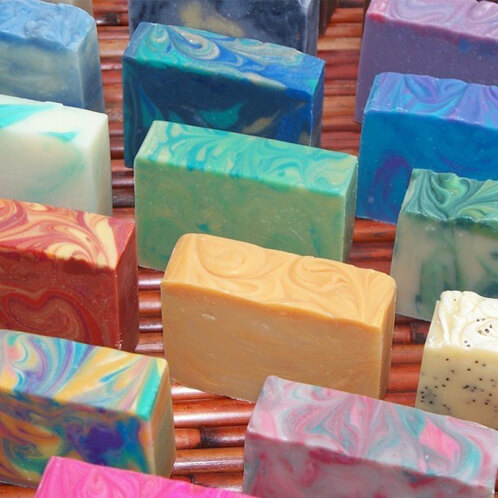
11. Invest in larger/better equipment. Maybe your make soap 12 bars at a time. If you can, increasing your production amount to 24 or 48 bars can save you time in the long run, and saving time helps you save money. The same goes for packaging. If you use shrink bands, would getting a shrink wrap system be a good investment? Could it cut down on packaging time and in the long run cut costs? With wholesale accounts your production needs should increase as your accounts restock, so now is the time to work smarter, not harder.
12. Outsource if needed. Maybe you have been doing your own website, or designing your own labels. Would your time be better spent making more products or approaching more wholesale accounts? If so, then use your new cash windfall to hire someone to help with the things you are not an expert at. Focusing on what you do best and leaving the rest to others can save a lot of time and money in the long run.Selling wholesale can be a lot of work, but it can also be very rewarding. I hope that some of these tips can help those wanting to move into the world of wholesale!
-Christy
Thanks, Christy! Check out behind-the-scenes footage from filming Soap Queen TV here and Christy’s interview on the Esty blog here (and while you’re there, check out her Etsy Shop!). And if you want step by step soapmaking instructions from Christy, you must see her Advanced In-The-Pot Swirl and Advanced CP Swirl online videos.
Want more wholesale tips? See the wholesale advice from Debbie Chialtas of Soapylove.
