





• July 12, 2017

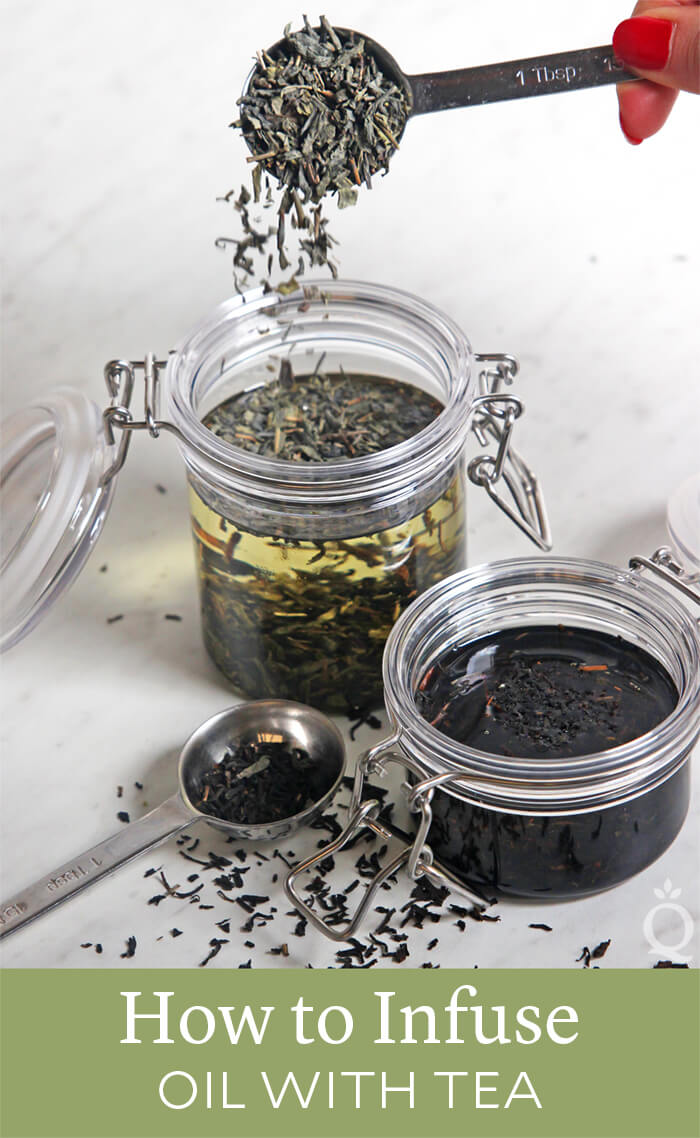
How to Infuse Oil with Tea
There are many different oil options for bath and beauty products. Each oil has unique properties including texture, smell, color and skin-benefits. Choosing which oil to use in various products is part of what makes formulating skincare recipes so fun.

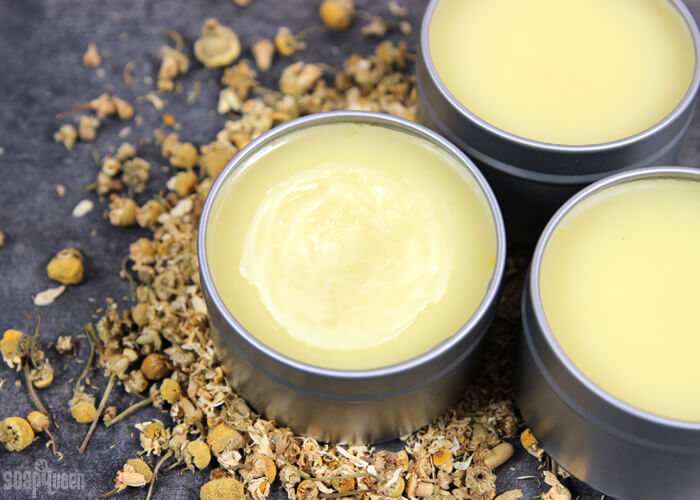
Infusing oils with herbs is a great way to take your oils from average to amazing. Depending on what you infuse it with, various properties will be given to the oil. For example, in the Chamomile and Coconut Oil Body Balm, coconut oil is infused with dried chamomile herb. Not only does it give the oil a light scent, chamomile is well known for its skin-calming properties.

If you’d like to give your oils extra skin-loving properties, infusing oil with tea (such as black tea leaves and green tea leaves) is a great option. Both teas have been used in skincare for centuries for their antioxidant content. If you take a stroll down the beauty aisle, you’re bound to find several products marketed with tea.

There are several techniques for infusing oil, all of which are extremely easy. More or less, place the tea into the oil and wait. The longer you wait, the stronger your infusion will become. The strength of the infusion also depends on the ratio of tea to oil. In general, we recommend at least two tablespoons of tea for every four ounces of oil. For an extra strong infusion, use one tablespoon tea per ounce of oil.

When infusing oils, you can use a cold oil infusion method, or a hot oil infusion method. The difference between the two is (you guessed it!) temperature. With a cold oil infusion, the herb or tea is added to cool or room temperature oils. With a hot oil infusion, the oil is heated and the herb is added to the hot oils. Sometimes the heat is maintained throughout the infusing process. Check out the How to Infuse Oils with a Crock-Pot post to learn more about hot infusions.
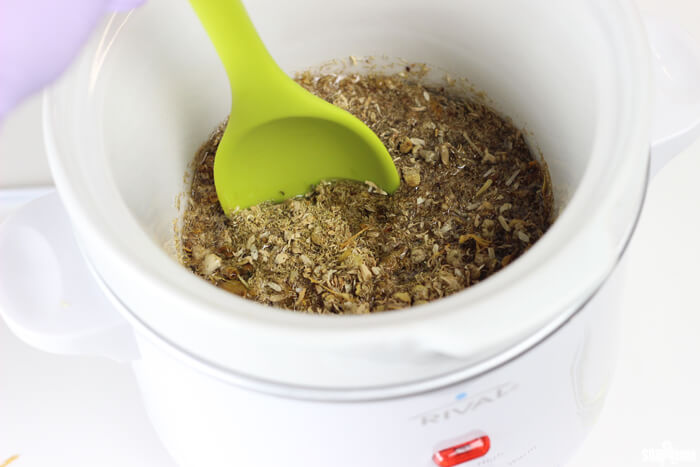

Just like making tea in water, the oil infuses faster when it’s hot. With a hot oil infusion, you can use the oil in as little as two hours. If using the cold oil infusion method, you want to wait at least a week, up to six weeks. If you’re using the cold oil infusion method, a liquid oil is recommended so the oil does not harden while infusing.

Now, let’s get to infusing! For this infusion, we used sweet almond oil and green tea leaves. Place about 8 ounces of oil into your container. Generally, a container with a lid (like a mason jar) works best. Then, place 4 tablespoons of green tea leaves into a large sealable tea bag, or directly into the oils. If placing the tea leaves directly into the oil, you will need to strain them out later. Now…wait and allow the tea to infuse!
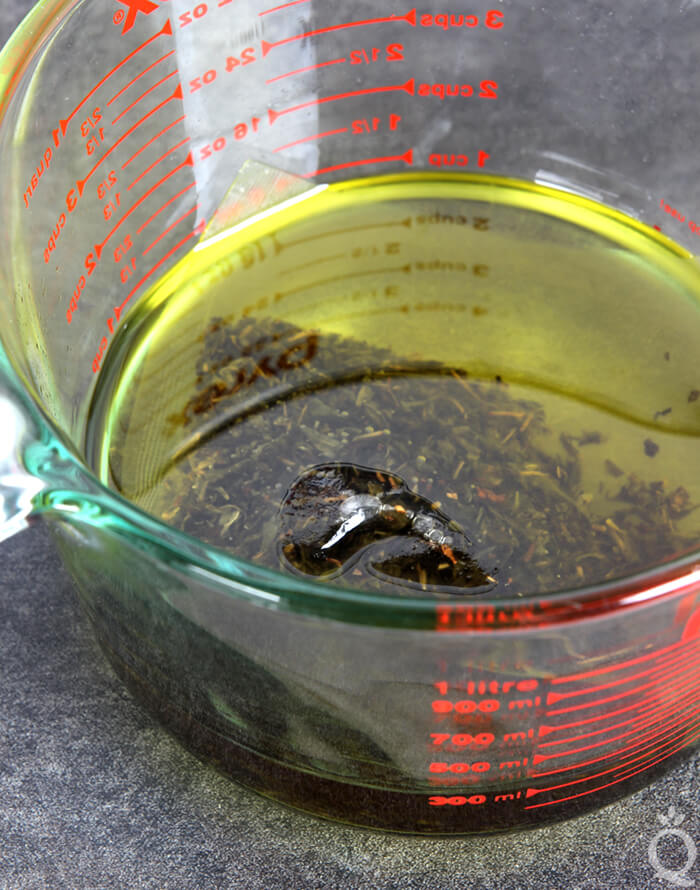
Green Tea Infused Oil
The oil shown above was left to infuse green tea leaves for about 2 weeks. It took on a light green color. It will continue to infuse for another two weeks, just to make sure it gets all the skin-loving properties possible. Once the tea leaves are strained from the oil, it’s ready to use! It can be used in soap, lotion, balms and more.

Do the skin-loving properties of tea survive the saponification process? It’s impossible to say for sure. Some may argue that more properties are likely to survive if infused in an oil, rather than adding the lye directly to tea water. It’s something we wish we could test! But, we can say that soap made with tea-infused oil, or a tea/lye mixture feels extra luxurious. Tea-infused products are also great from a marketing standpoint.

Do you infuse oils for your bath and beauty projects?

You may also like these

Become an email subscriber

Enter your email address below and you will receive all our new posts directly in your email inbox.

  1. If you are using coconut or avocado oil to infuse your teas, are they ingestible? would you know of any literature about edible ingestible oils? Would I be able to cook with this kind of oil?

    1. This post is on infusing teas for skincare. We are not a food safe warehouse so we do not recommend ingesting any of our products.

  2. Hi. I’m new to soap making. I’m making liquid soaps. Is there a shelf life with using tea infused olive oil in soaps?

    1. As long as you remove all the botanicals the shelf life should remain the same as the Olive Oil itself which is about 1 year.

      1. Good day, I would like to know if after some time the infused botanicals in sunflower oil loose its smell via cold infusion? I find that mine infused oil doesn’t retain the smell of rose+lavender+Jasmine+calendula+Helichrysum +chamomile in sunflower oil and chamomile+lavender+calendula in olive oil after some weeks of infusion.

        I added more into it to have a stronger smell but it doesn’t after few days.

        Is there anything you can suggest I do to retain the smell as I want to use it in body butters(sensitive skin) and not at add fragrance oil.

        1. Hi there, infusing oils is more for giving your oils the skin-loving properties of botanical items, rather than the fragrance. You may try upping the amount of botanical matter you’re using, or lowering the concentration of oils, but by nature the fragrance won’t be strong or last long in an oil infusion. Since you’re opposed to fragrance oils, you may consider using essential oils instead for a long-lasting smell: https://www.brambleberry.com/Essential-Oils-C157.aspx

      2. Good day, I would like to know if after some time the infused botanicals in sunflower oil loose its smell via cold infusion? I find that mine infused oil doesn’t retain the smell of rose+lavender+Jasmine+calendula+Helichrysum +chamomile in sunflower oil and chamomile+lavender+calendula in olive oil after some weeks of infusion.(7 weeks plus)

        I added more blends into it to have a stronger smell but it doesn’t after few days.

        Is there anything you can suggest I do to retain the smell as I want to use it in body butters(sensitive skin) and not at add fragrance oil.

  3. I’m reading about black tea used as a self tanner. And it sounds messy. So was wondering if black tea infused oil would work as a self tanner.

    1. We haven’t tried that so I’m not sure how it would work. You may see if someone on teachsoap.com/forum knows more.

  4. Hello there!
    I have lovely coneflowers(Echinacea) that grow around my yard each year. I’ve read that these flowers have health/skin benefits, and I was wondering if you could provide information on how to infuse the dried flowers into oil. I read that the roots of the plant contain the most active compounds. How would you suggest infusing the roots into oils? Thank you for any advice you may have 🙂

  5. I’m concerned about fragrance oils. So many of them, when you look at the MSDS seem to list harmful ingredients or or potential harm. This worries me a lot when I’m making something someone will rub on their body.

    Also – was thinking of using bagged tea – like an orange spice. Would that be ok, even though it’s herbs and tea?

    1. We don’t recommend using fragrance oils undiluted. Because they are very concentrated they can cause irritation, which is what the MSDS sheets are for.

      Once you add fragrance oils to your products, they’re heavily diluted. That means they’re safe to use on the skin. Make sure to use the Fragrance Calculator for skin-safe amounts: https://www.brambleberry.com/Pages/Fragrance-Calculator.aspx

      You can use bagged tea, but make sure to check the ingredients. Spices like cinnamon can cause skin irritation. You may want to use plain tea or check with the manufacturer to be sure they’re skin safe.

  6. Hi Soap Queen,

    I want to try infuse oil. Is it will change the saponification value of the oil after infused?

    Thank you so much.

  7. Hi! I am new at soap making, i only made 2 batch soaps so far.
    I’m planning to make soap with calendula infused oil. Can i just put in the calendula instead of strain them out, as exfoliator.

    Thank you

  8. I am so happy to learn that I can have the antioxidant propertiez of tea in my body cream. How can I mix it with shea butter?

    1. You can infuse the tea into shea butter. To keep it melted the whole time, you’ll want to do a hot infusion using a Crock-Pot: https://soapqueen.com/bath-and-body-tutorials/tips-and-tricks/how-to-infuse-oils-with-a-crock-pot/

      Once that butter is done infusing, put it in the fridge or freezer to cool rapidly. That will help prevent any graininess.

      Learn more about working with butters here: https://soapqueen.com/bath-and-body-tutorials/tips-and-tricks/soaping-in-the-summer-heat/

      -Kelsey with Bramble Berry

  9. I was thinking of making shampoo with tea tree oil in it. I have a mint plant and was thinking about infusing some mint with a carrier oil to put in the shampoo. Would avocado oil be a good choice for the infusion in shampoo?

    Thanks!
    Wendy

  10. Hello, I am wondering about possible contamination? One of the most popular blogs about making skin care products strongly advises not to use any home made herb infused oils. That really surprised me because i was sure adding preservatives (which obviously is necessary in products containing water) is a way to deal with possible bacterias, mould and all kind of nasty stuff and those oils are perfectly safe to use. What is your opinion? Regards 🙂

    1. With any natural product like herbs, there is a chance of mold. Just make sure to strain your oil really well – do so several times to catch any leftover herbs. Store the oil in a cool, dry place like a basement, garage, or fridge. Then, use a preservative if you add it to lotion, scrubs, etc. Soap has a pH level that doesn’t allow mold to grow, so it doesn’t need one.

      Learn more about preservatives here: https://soapqueen.com/bath-and-body-tutorials/lotion/talk-it-out-tuesday-preservatives/

      And more about storing your products here: https://soapqueen.com/bath-and-body-tutorials/tips-and-tricks/how-to-store-handmade-bath-products/

      -Kelsey with Bramble Berry

  11. Infusing is fun, I’ve infused spearmint leaves, dandelions, and other stuff into my oils from time to time.

    1. It is, it’s fun to experiment with different botanicals. 🙂

      -Kelsey with Bramble Berry

  12. Hi there! I’m curious if you know the proper way to write infusions on a product label to meet legal requirements? Do you list the oil and tea separately and in which order, since infusing leaves less of the tea in the final product than what you originally added? Thanks!

  13. Hi there,

    I was wondering if the tea scent survives the saponification process?

    Your site is wonderful and I really enjoy all your posts.

    1. You’re welcome, glad you’re enjoying the posts! The scent of the tea is barely noticeable in cold process soap. If you want a tea scent, I would recommend adding a fragrance oil. We have some new tea scents that would work really well in your recipe, including Matcha Tea Latte, Bergamot Black Tea, and Spiced Red Tea. Find those here: https://www.brambleberry.com/New-Products-July-2017-C702.aspx

      Find out how much to add with our Fragrance Calculator: https://www.brambleberry.com/Pages/Fragrance-Calculator.aspx

      -Kelsey with Bramble Berry

Comments are closed.

{"email":"Email address invalid","url":"Website address invalid","required":"Required field missing"}

The Latest from Soap Queen TV

Inspired by Gems & Crystals

All About Essential Oils

The Power of Charcoal

Create Your Own Clay Face Mask

DIY Bath Bombs

Cold Process Soap Tips & Tricks

Learn the Basics of Cold Process Soapmaking

Learn the Basics of Melt & Pour Soapmaking

Want to Start Your Own Soap Business?

Soap Business Success Stories

Soap Queen TV Favorites

Ingredient Spotlight

Disclosure

Unless stated otherwise, all images are original material and are copyrighted. If you'd like to use an image, please be a friend and credit the photo and link back to Soap Queen. Feel free to share, tweet and pin to your hearts content.