




• August 20, 2018

Hot Process and Rebatch Soap Inspiration

There are so many designs you can create with hot process and rebatch soap, and the bars are ready to use in just a few days. There are several ways to make hot process soap. This post talks about how to use the oven, and this post talks about how to use a slow cooker. You can also use the hot process method to save separated soap – learn how here.

The Lavender and Lemongrass Soap is made in a slow cooker. It’s an easy recipe with natural ingredients like spirulina powder, lavender buds, and lemongrass essential oil. The video also goes over basics like how long to cook the soap and how to know when it’s done.

Embeds add something special to hot process soap. The Blueberry Soap is colored with Ultramarine Blue Pigment and topped with a melt and pour embed. To complement the design, it’s scented with Blueberry Thyme Fragrance Oil. The Marbled Clay Soap features a swirl design. It’s made with natural colorants and a sweet blend of Kumquat and Fresh Mango Fragrance Oil.
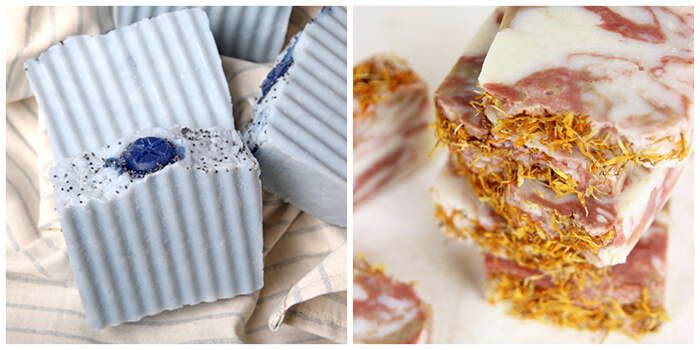
Blueberry and Clay SoapLeft to right: Blueberry Soap, Marbled Clay Soap

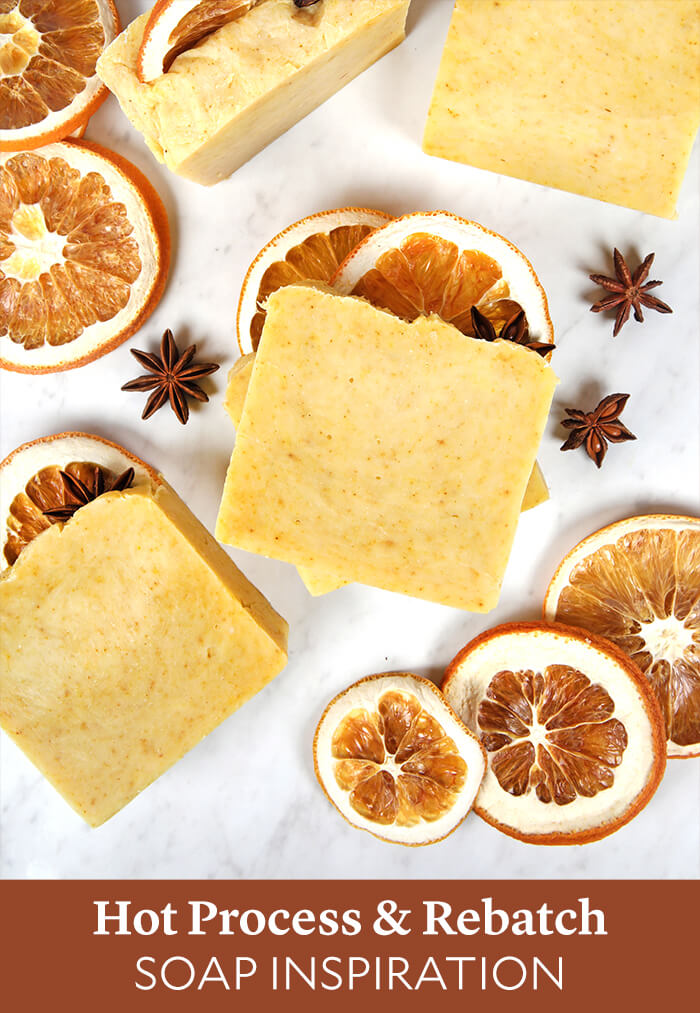
Hot process soap is perfect for last-minute gifting. The Orange Spice Soap is made with a comforting mix of Orange 10X Essential Oil and cinnamon leaf essential oil. It’s topped with dried oranges and anise stars. The Swirl Soap uses the Cold Process Oven Process (CPOP) technique. It’s finished in the oven to force gel phase, which helps the red and green colors pop. If you’re looking for a gift you can give out all winter long, you’ll love the Snowdrop Soap. The Luck of the Irish Soap is the perfect way to celebrate St. Patrick’s Day.
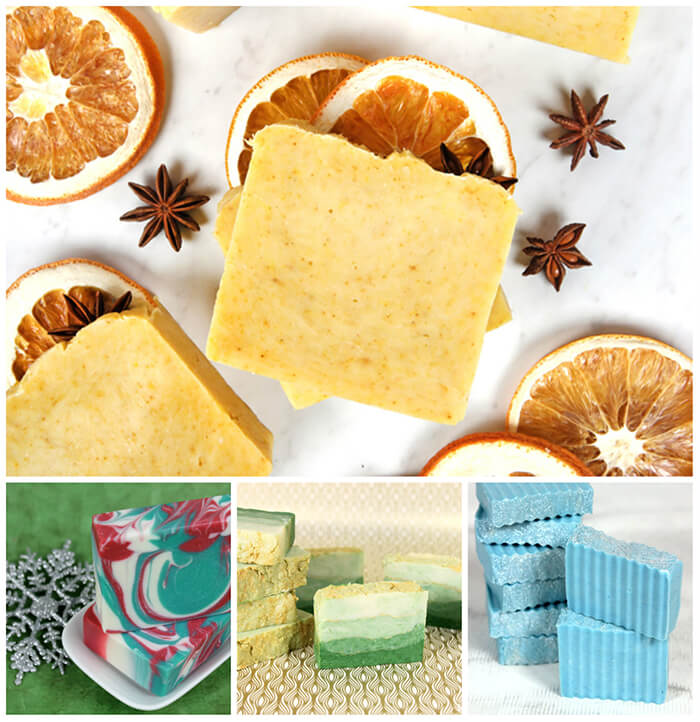
Holiday Hot Process SoapClockwise, top: Orange Spice Soap, Snowdrop Soap, Luck of the Irish Soap, CPOP Swirls Soap

Rebatch soap is even easier to make. Just choose a base, customize with fragrance and color, and spoon into a mold. This soap is made with rose water, pink Brazilian clay, and red rose petals. The Wildflower Soap is topped with rose petals as well. They pop against the white base, which is scented with Daisy Chain Fragrance Oil. The Holiday Candy Soap is made with festive red and green embeds and Holiday Candy Fragrance Oil.
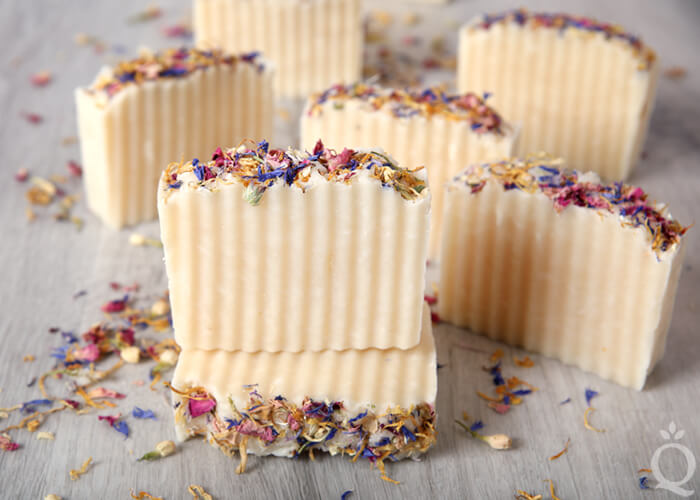
Wildflower Soap

Looking for more inspiration? The #HotProcessSoap and #Rebatch tags on Instagram are full of beautiful products. See a few of our favorites below.
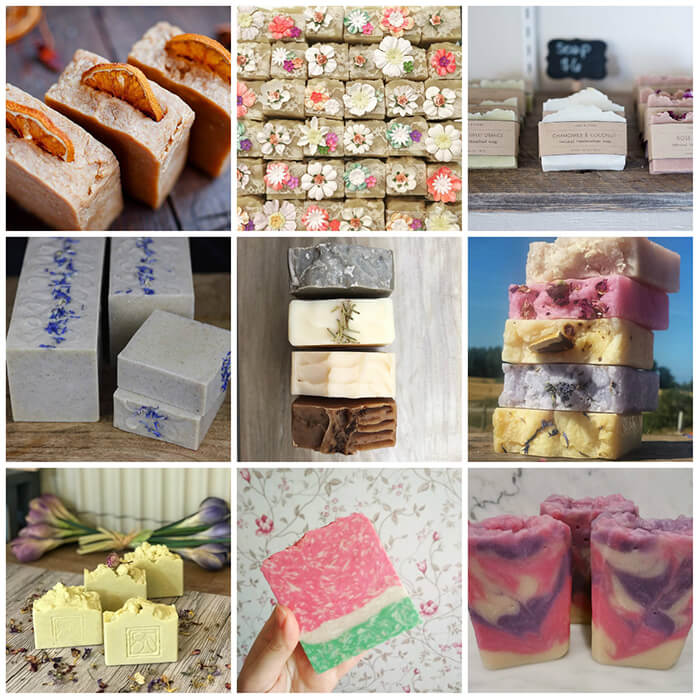
Maker CollageTop row, left to right: freshbar_soap, janahanalei, hazelandhoneyhandmade
Middle row, left to right: jessnatural_bath_boutique, justbesoap, lundegaardens_hudpleje
Bottom row, left to right: yw.crystal, silver_berry_soap, mamamystic

You may also like these

Become an email subscriber

Enter your email address below and you will receive all our new posts directly in your email inbox.

  1. Dear madam
    Good day..

    I newbie for HP
    I tried my first HP soap with double boiler method but it does not came out well.. Every thing goes well up to adding lie and mix with Stick blender.. Good creamy formed but till end it was in same stage ..like a paste.. It does not thickened after 1hr of process… How to over come..plz advice

  2. Hi! I’m still new to hot process soap but started off with cold process so I feel like I’ve got a good base. I want to make some hot process soap but with a soft fragrance like Fresh Bamboo or Turquoise. Will these type of fragrances stay and smell good in hot process the way they do in cold process or will the heat from my crock pot evaporate them?

    1. We normally don’t add the fragrance to hot process until we are ready to mold it so the heat shouldn’t be an issue at that time!

    1. That should work and the cornmeal should retain its exfoliating properties. Though we haven’t tried it ourselves before since we have not used cornmeal as an exfoliant. You may want to try it in a smaller batch of soap to make sure you like the results.

  3. I’m rebatching a hot process soap that is already scented with orange and ginger essential oils at 5%. If I rebatch (for color) can I add scent again, or should I avoid more?

    1. Hi Jessica, you can add a bit more but I would be cautious about adding anymore than another percent or two of fragrance. Typically, even when you rebatch, the scent will stay strong!,

  4. Dear Brambleberry team, I’ve been following and loving your site for a few years. I need some help. I made some cold process soap as wedding favours a month ago and now (3 weeks before the wedding) the bride is telling me that there will be more guests they were not counting on before. So I have a few questions:

    1. can I use the same recipe to make a hot process soap?? ( olive, coconut, castor and almond oils, 7% superfat, 33% concentration) or should I alter it?

    2. once cut, can I stamp the names in the same way as cold process?

    3. I don’t have a crock pot, can I use a double boiler? Same time and process I guess…

    4. The quantity of Essential oils is the same in both processes?

    Thank you very much for your help. love from Spain!

    1. You can use the same recipe for hot process soap and stamp it in the same way as you would cold process soap. For hot process soap you would want to stamp it earlier so it does not become too hard before stamping. You can use a double boiler with the same process for HP. You would also use the same amount of essential oils in both processes, though I will say I would always use the strong amount for HP and add it as close to the end of process as possible.

  5. I was trying to calculate a fragrance for my hot process soap (I cook it in the crockpot – it works a little better for me as I tend to be needlessly impatient to use things), but I wasn’t sure whether or not to select ‘cold process’ or ‘rebatch’ under the tab for ‘What are you making?’ – which do you recommend?

  6. We’ve found that recipes that contain palm oil can vary a bit in terms of color. Using a palm free cold process recipe will help to achieve a more consistent overall color between batches. We haven’t tested any tallow or lard recipes for consistency with indigo powder, but we’d love to hear the results if you decide to try it.

  7. When you make hot process soap, how much fragrance do you use. The fragrance calculator does not let you put in that you are making hot process soap.

    1. Use ‘Cold Process Soap’ as the item you’re making – the usage rate is exactly the same for HP.

  8. I have a question that doesn’t really pertain to hot process soaps in particular. On BBs site it indicates that indigo powder should not be used recipes using palm oil. Why is this? And does this go for recipes using tallow and lard? Thank you for any help you give me on this.

Comments are closed.

{"email":"Email address invalid","url":"Website address invalid","required":"Required field missing"}

The Latest from Soap Queen TV

Inspired by Gems & Crystals

All About Essential Oils

The Power of Charcoal

Create Your Own Clay Face Mask

DIY Bath Bombs

Cold Process Soap Tips & Tricks

Learn the Basics of Cold Process Soapmaking

Learn the Basics of Melt & Pour Soapmaking

Want to Start Your Own Soap Business?

Soap Business Success Stories

Soap Queen TV Favorites

Ingredient Spotlight

Disclosure

Unless stated otherwise, all images are original material and are copyrighted. If you'd like to use an image, please be a friend and credit the photo and link back to Soap Queen. Feel free to share, tweet and pin to your hearts content.