




• April 24, 2017

Rose Clay Face Mask DIY

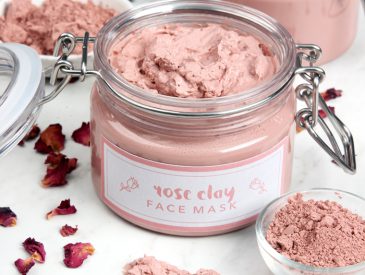
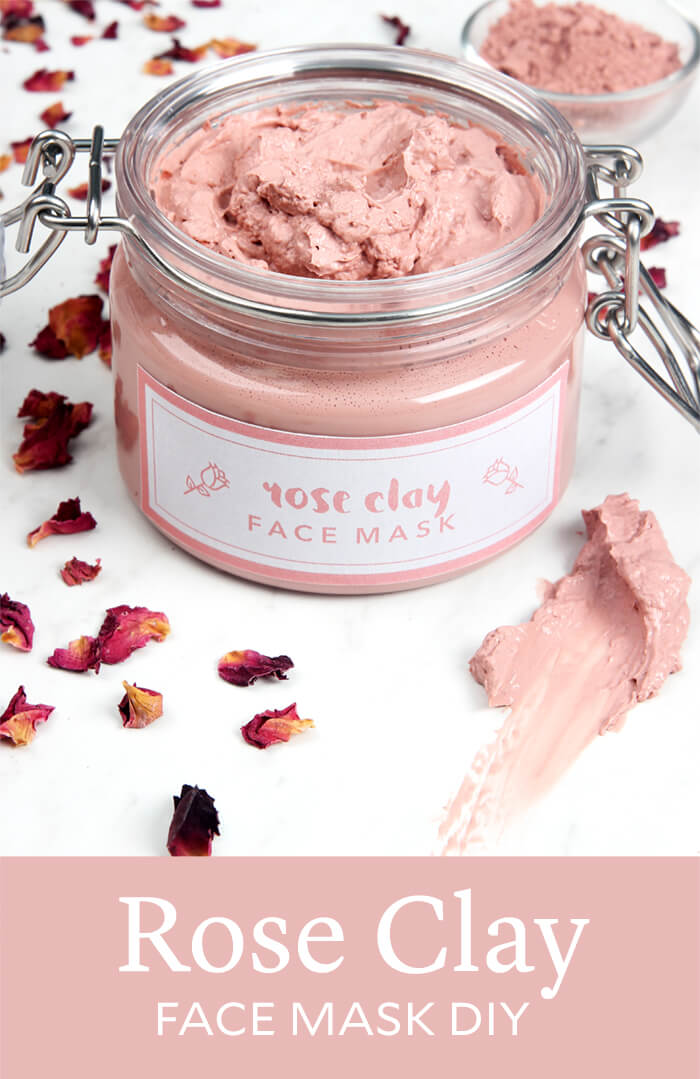
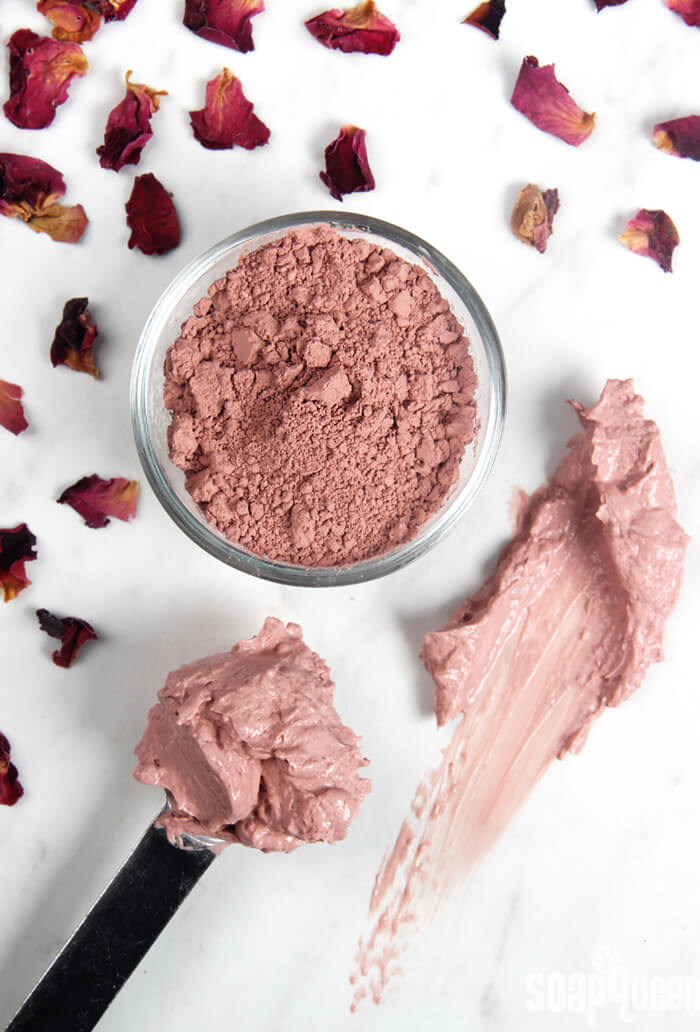
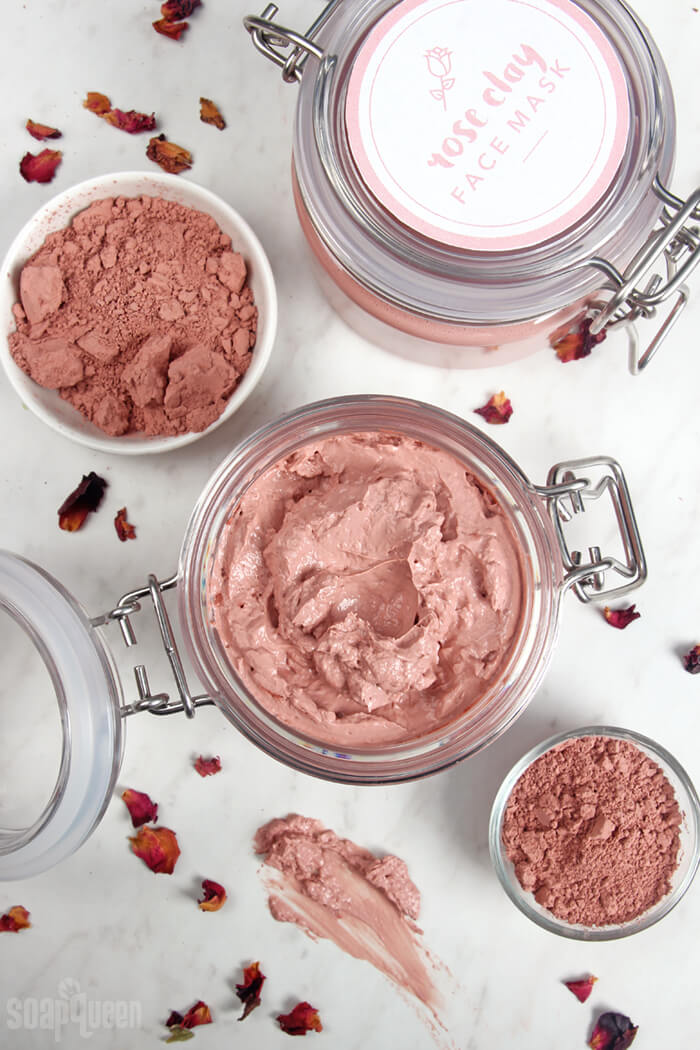
Rose clay is a naturally beautiful skincare ingredient. It adds a soft, rosy hue to this Rose Clay Face Mask. Rose clay has gentle oil-absorbing properties, making this mask suitable for both dry and oil skin types. Scented with rose absolute, this face mask is luxurious and pampering.
Rose Clay Face Mask DIY

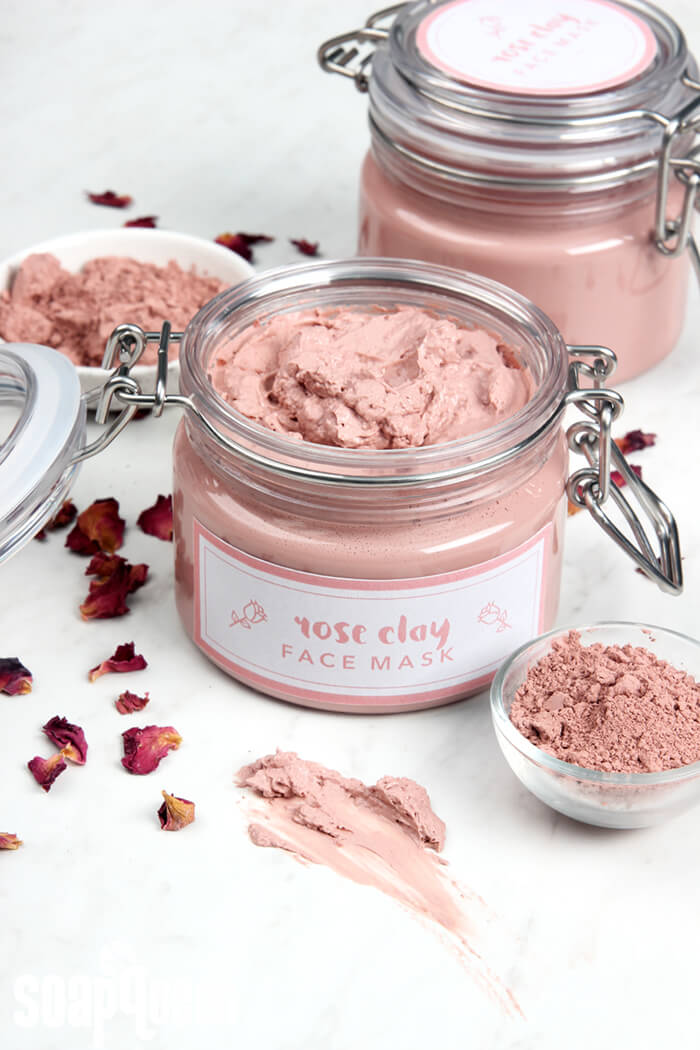
This face mask recipe was specifically designed with dry, mature skin in mind. Rosehip seed oil is rich in vitamin A and C, and intensely moisturizes without leaving a greasy feeling on the skin. Chamomile extract soothes dry skin, and is thought to be an anti-inflammatory. A downloadable label template gives a finished and polished look.
Rose Clay Face Mask DIY

Rose absolute is extracted from rose petals, and gives the mask a soft, luxurious rose scent. It is a pricey essential oil, but you don’t need much at all. Just 1 mL of the oil is enough to elevate this mask to a truly pampering experience. If you don’t have dry or mature skin, there are three different variations of this mask recipe. This post will help you find which clay mask is right for your skin type.

A few notes about recipe substitutions:

  • Polawax Emulsifying Wax is a highly reliable and strong emulsifier. It could be substituted for the generic version, Emulsifying Wax, if you prefer, although this recipe was not tested with Emulsifying Wax. Due to the clay in the recipe, we splurged and used Polawax Emulsifying Wax to avoid any chance of separation.
  • This recipe calls for avocado and rosehip seed oil. Other oils can be used instead if you prefer; we recommend staying with liquid oils that absorb easily into the skin. Changing the total amount of oil in the recipe will change the overall texture of the mask.
  • Because this recipe is essentially a lotion and contains a large amount of water, a preservative is necessary to prevent mold and bacterial growth. We chose Optiphen, but other water soluble preservatives will work. Learn more about preservatives here.
  • Increase the total amount of clay if you want it to be better suited for normal to oily skin types. Decreasing the amount of clay may create a thinner product with more moisturizing properties.
  • If you prefer to use different clays, feel free to swap them. Clays have different absorbing properties, which will affect how it feels on the skin. Learn which clay is right for your skin.
  • If you have very sensitive skin, fragrance and essential oils can be irritating. Omit from the recipe if you prefer. Or, you can sub out the essential oil for a different oil.

What You’ll Need:
Four Short 8 oz. Bail Jars
Rose Clay Face Mask Template – Free PDF
21.4 oz. Distilled Water
1 oz. Rose Clay
3.5 oz. Kaolin Clay
1 oz. Rosehip Seed Oil
1.3 oz. Avocado Oil
0.8 oz. BTMS-50 Conditioning Emulsifier
1 oz. Polawax Emulsifying Wax
0.5 oz. Chamomile Extract
0.2 oz. Optiphen (preservative)
1 mL Rose Absolute
Dropper


Click here to add everything you need for this project to your Bramble Berry shopping cart!
Rose Clay Face Mask DIY

EQUIPMENT PREP: Disinfect your utensils by dipping them in a 5% bleach water solution and allowing to dry. This includes mixing containers, your stick blender, and any spoons or spatulas that may come in contact with your mask. Your products must be as free of germs, bacteria, and microbes as possible. To be safe, bleach water all your utensils.

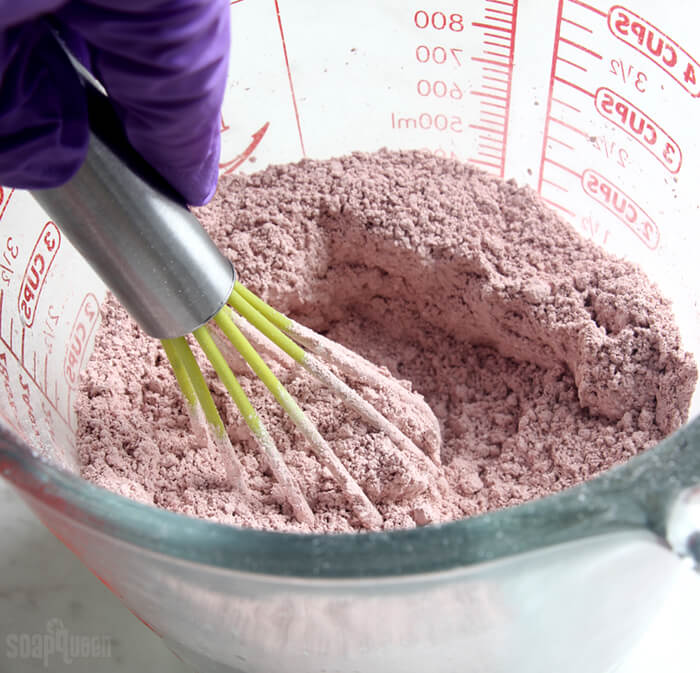
CLAY PREP: In a small separate container, measure 3.5 ounces of kaolin clay and 1 ounce of rose clay. If you like, you can add them to the same container.
Rose Clay Face Mask DIY

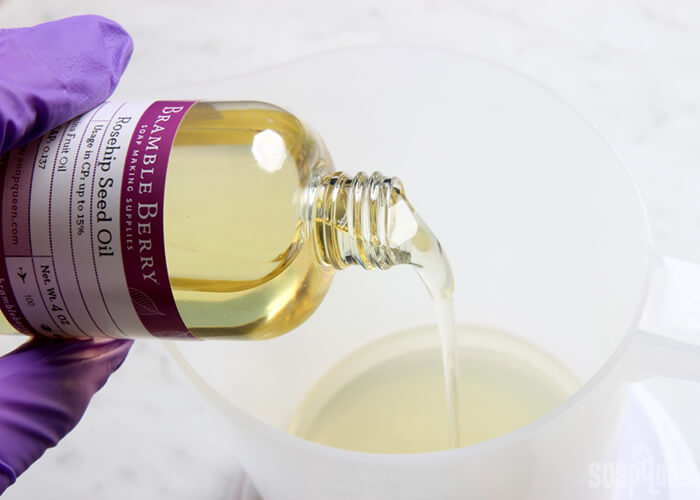
ONE: In a heat-safe container, combine the avocado oil, rosehip seed oil, BTMS-50 and Polawax. Heat the container in the microwave using 30-60 second bursts until the waxes have fully melted. Be careful when removing the container, as it will be quite hot. Set aside.
Rose Clay Face Mask DIY

TWO: In a separate large container, heat the distilled water in the microwave (or on the stove top) until it reaches about 160-170 ° F. Once the water reaches the correct temperature, some of it may evaporate. Remeasure and add more distilled water if necessary until you have 21.4 ounces of hot water.

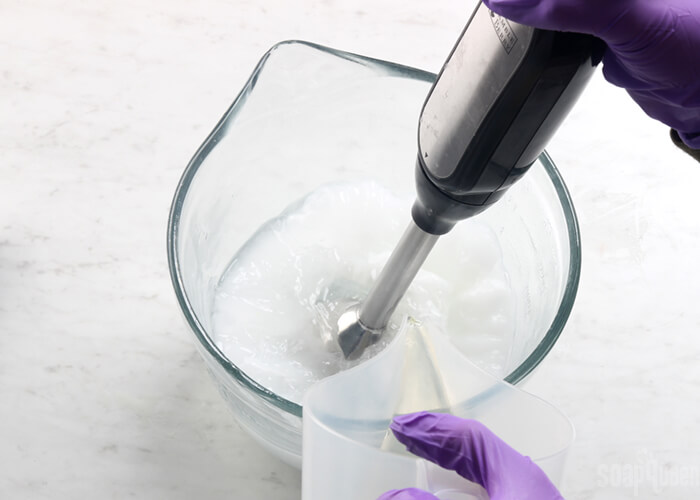
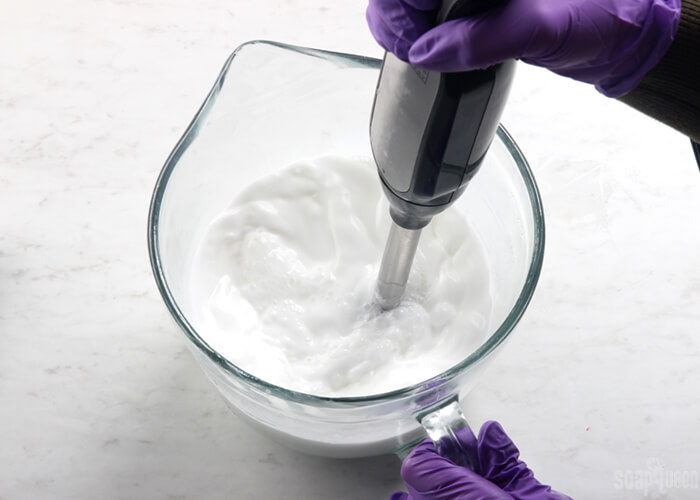
THREE: Check the temperatures of both containers. Each container should be about 160°-180° F. If the oil and wax mixture has cooled, place back into the microwave until fully melted. Place the stick blender into the water and burp it to help get rid of bubbles. Pour the oil and wax mixture into the water and use a spatula to make sure every little bit is added. Begin pulsing the stick blender. The mixture will take on a “milky” appearance once the water, oil and waxes have begun to emulsify. Continue to pulse and stir for about a minute.
Rose Clay Face Mask DIYRose Clay Face Mask DIY

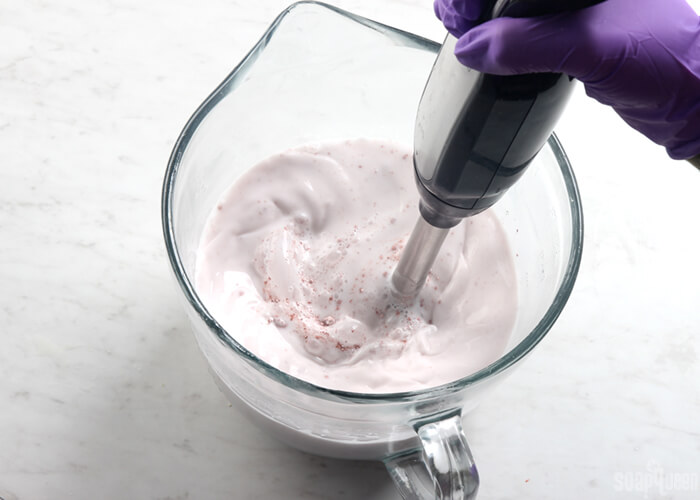
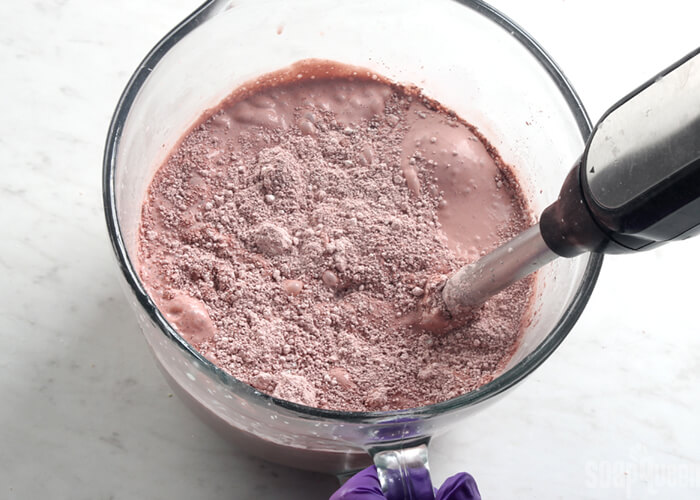
FOUR: Begin adding heaping spoonfuls of the clay mixture and pulsing the stick blender until combined. Continue adding the clay to the mixture and blending in small amounts until all the clay is added.
Rose Clay Face Mask DIYRose Clay Face Mask DIY

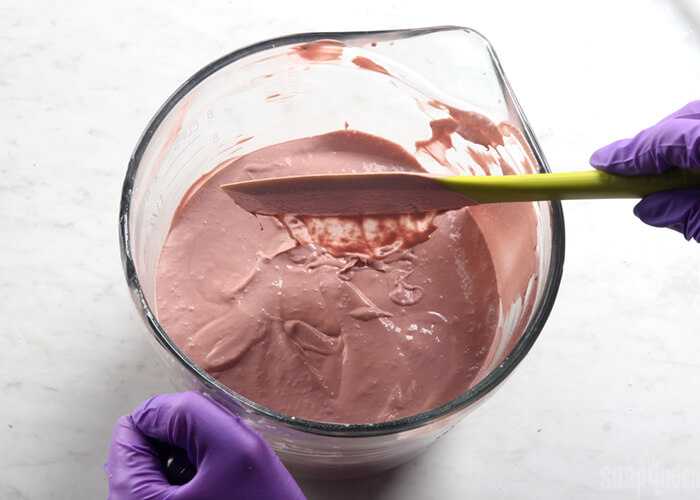
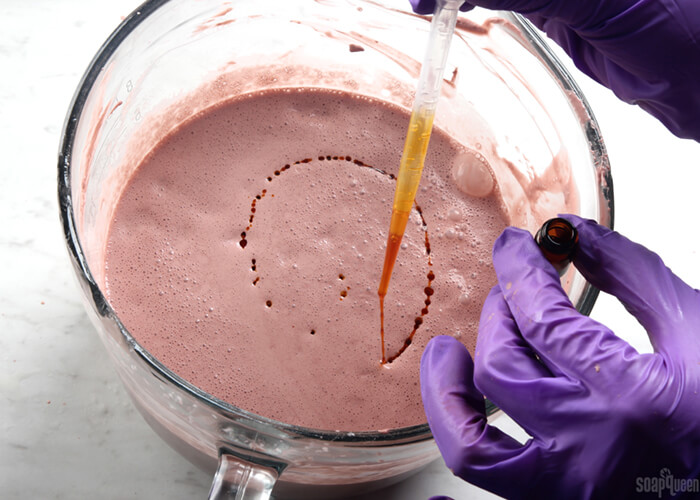
FIVE: Continue stick blending for about 1-2 minutes. Use a spatula to scrape down any clay that may be on the sides of the bowl. Check the temperature of the mixture. Once the mixture is about 130-140°F, add the Optiphen, rose absolute and chamomile extract. Stick blend (don’t forget to burp the stick blender!) the ingredients in until fully mixed.
Rose Clay Face Mask DIYRose Clay Face Mask DIY

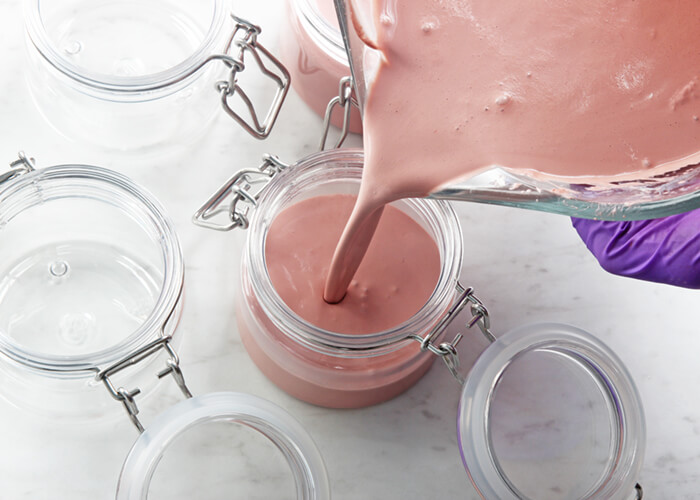
SIX: Pour the mixture into the bail jars. If you find you have a lot of bubbles on the top, you can spritz the top of the containers with 99% isopropyl alcohol to help get rid of some of them. Allow the containers to cool for several hours with the lid open to avoid condensation. Once fully cooled, the mixture will have become a thick, lotion-like texture. We found that the top of the mask does form a bit of a skin as it dries.
Rose Clay Face Mask DIY

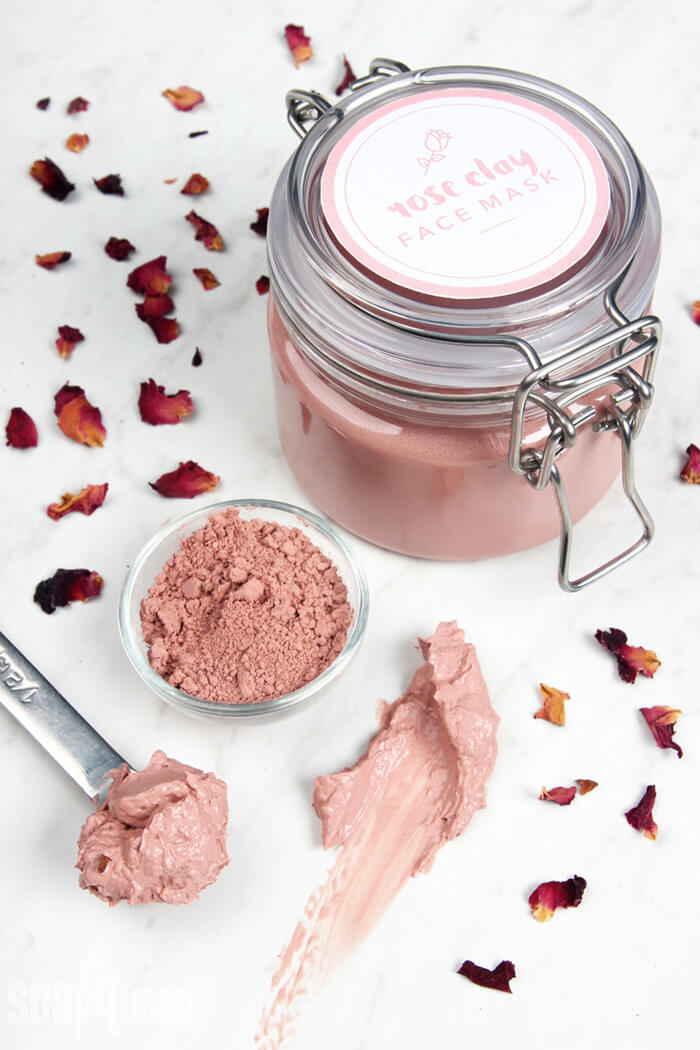
To use, apply a medium layer to dry, clean skin. Avoid the immediate eye area. Allow the mask to sit on the skin for about 10-15 minutes. Use warm water to rinse off. There is no need to wash the skin after, but you can if you prefer. If you have dry skin, do no use more than one time per week. Rose Clay Face Mask DIY

Rose Clay Face Mask

Soap Queen
This rose clay face mask is made form luxurious ingredients like rosehip seed oil and rose absolute.
4.81 from 26 votes
Cook Time 30 minutes
Total Time 30 minutes

Ingredients
  

  • Four Short 8 oz. Bail Jars
  • Rose Clay Face Mask Template - Free PDF
  • 21.4 oz. Distilled Water
  • 1 oz. Rose Clay
  • 3.5 oz. Kaolin Clay
  • 1 oz. Rosehip Seed Oil
  • 1.3 oz. Avocado Oil
  • 0.8 oz. BTMS-50 Conditioning Emulsifier
  • 1 oz. Polawax Emulsifying Wax
  • 0.5 oz. Chamomile Extract
  • 0.2 oz. Optiphen preservative
  • 1 mL Rose Absolute
  • Dropper

Instructions
 

EQUIPMENT PREP: Disinfect your utensils by dipping them in a 5% bleach water solution and allowing to dry. This includes mixing containers, your stick blender, and any spoons or spatulas that may come in contact with your mask. Your products must be as free of germs, bacteria, and microbes as possible. To be safe, bleach water all your utensils.

    CLAY PREP: In a small separate container, measure 3.5 ounces of kaolin clay and 1 ounce of rose clay. If you like, you can add them to the same container.

    • In a heat-safe container, combine the avocado oil, rosehip seed oil, BTMS-50 and Polawax. Heat the container in the microwave using 30-60 second bursts until the waxes have fully melted. Be careful when removing the container, as it will be quite hot. Set aside.
    • In a separate large container, heat the distilled water in the microwave (or on the stove top) until it reaches about 160-170 ° F. Once the water reaches the correct temperature, some of it may evaporate. Remeasure and add more distilled water if necessary until you have 21.4 ounces of hot water.
    • Check the temperatures of both containers. Each container should be about 160°-180° F. If the oil and wax mixture has cooled, place back into the microwave until fully melted. Place the stick blender into the water and burp it to help get rid of bubbles. Pour the oil and wax mixture into the water and use a spatula to make sure every little bit is added. Begin pulsing the stick blender. The mixture will take on a “milky” appearance once the water, oil and waxes have begun to emulsify. Continue to pulse and stir for about a minute.
    • Begin adding heaping spoonfuls of the clay mixture and pulsing the stick blender until combined. Continue adding the clay to the mixture and blending in small amounts until all the clay is added.
    • Continue stick blending for about 1-2 minutes. Use a spatula to scrape down any clay that may be on the sides of the bowl. Check the temperature of the mixture. Once the mixture is about 130-140°F, add the Optiphen, rose absolute and chamomile extract. Stick blend (don’t forget to burp the stick blender!) the ingredients in until fully mixed.
    • Pour the mixture into the bail jars. If you find you have a lot of bubbles on the top, you can spritz the top of the containers with 99% isopropyl alcohol to help get rid of some of them. Allow the containers to cool for several hours with the lid open to avoid condensation. Once fully cooled, the mixture will have become a thick, lotion-like texture. We found that the top of the mask does form a bit of a skin as it dries. To use, apply a medium layer to dry, clean skin. Avoid the immediate eye area. Allow the mask to sit on the skin for about 10-15 minutes. Use warm water to rinse off. There is no need to wash the skin after, but you can if you prefer. If you have dry skin, do no use more than one time per week.
    Tried this recipe?Let us know how it was!


    You may also like these

    Become an email subscriber

    Enter your email address below and you will receive all our new posts directly in your email inbox.

    1. 5 stars
      Hi there! I love the idea of this rose clay mask, however I would like to know how can I make this mask and store it in powdered form? I’m more comfortable to store it this way. Would love to hear your advice.

      1. Yes you can store the mask dry if you prefer. You could also just leave out the water and store it with the oils which would also make the preservative unnecessary. Just keep in mind that the texture of the finished product will most likely change since it won’t be as similar to a thick lotion.

    2. I made the turmeric clay mask and the sea clay mask. Both came out perfectly so I decided to try this one as well. This one turned out very runny and never thickened much. I keep adding more and more clay and slowly but surely it is getting thicker. I notice now the base lotion recipe is the same as the others…but with this recipe calling for much less clay, I am thinking the recipe should be different to allow for a thicker lotion as it wouldn’t have nearly enough clay to obtain a thick spreadable texture. I would suggest tweaking this recipe for a much thicker lotion if you are going to make it. I understand why less clay for this one, but the lotion needs to be much thicker or the product will be runny and not suitable for a mask.

      1. We have not tried using a liquid conditioning emulsifier in this recipe so I’m not 100% sure. It would most likely work but may change the consistency of the mask.

    3. Hi Yesterday I made a mask according to your recipe. I got white color mask instead of pink. I think that you have been mistaken for a clay dose.

            1. I made this recipe but I didn’t succed. It’s very liquid. First, it’s so hard to get the perfect temperature between the water phase and oil phase. Secondly, usually I make lotion by pouring the water phase into the oil phase. Not oil phase to water phase.
              Does this affect the result?

            2. That shouldn’t have too much of an affect, it would mostly depend on your temperatures. If it turned out too thin for you you can try adding in some more of the Emulsifying Wax and Clay or even a solid butter to help the texture, like Shea Butter.

              If you next recipe you could also try using a little less distilled water to start.

    4. Hi!

      I just made this exactly per the listed ingredients and measurements/instructions and the mask (liquid) is now sitting in my bail jars, with open lids. There is a film on the top as the blog post above mentioned but I’m not sure if the mask is ‘thickening’ as fast as it’s supposed to. Is there a guideline to how long it should take for the mask to look like the texture and consistency as shown in your photos? It looks so thick and lovely and mine is still so seemingly runny!

      Thank you!

      1. It does take a minute to set up, so you can always let it sit a while longer. If it wants to stay runny permanently, you may try adding in a bit more clay to thicken it up.

      1. You can certainly use honey in your facial mask if you’d like, but you don’t want to go overboard. Using too much honey will cause your mask to be sticky, and will make it feel weird when it dries. Try a test batch first just to make sure you like the results – start small, you can always go up if you need to.

    5. 5 stars
      Hi, can I use Phenoxyethanol as preservative instead of Optiphen for this recipe.

      And if i want to add on Glycerin, what is the best amount I can put in.

      Thank for your advice 🙂

      1. Phenoxyethanol is not a product we offer – double check with your vendor to make sure it’s going to be a suitable replacement. We don’t recommend using glycerin for facial masks, it’s quite heavy, and it doesn’t completely dry on the skin – it will just make your mask sticky/gooey.

        1. 5 stars
          I made this recipe once, after 1 week it shown separation means water started to appear on the surface. I didn’t have Polawax Ewax locally, so the lady said Ewax CAC would be best to substitute the Polawax. Do you have any suggestion or.. Is it separation due to the type of ewax? Thank u.

          1. It sounds like the separation was due to your wax. I looked up the Ewax CAC and it looks like it has a usage of up to 9% so it could be you didn’t use enough. You could try melting the mask down and adding in some extra emulsifying wax to see if that works better. I would recommend a small test batch to make sure you like the results.

    6. 5 stars
      Hi, may I know, if I can’t find rose clay locally (I am from Malaysia) rose absolute and optiphen, is there any substitute I can use?

      1. If you can’t find the Rose Clay locally you can try using another clay, the mask just would not be the same color. For the Rose Absolute another rose scent would work or you can leave it out altogether if you prefer. For the Optiphen you would want to use another oil soluble preservative, like Phenonip.
        You can definitely substitute Rose Water for the distilled water.

            1. 5 stars
              I tried this out, at first it was sooo runny , I was so upset but end up it turn out to be as what I expected. Love it so so much. Since I don’t have Rose Clay, I used French Pink Clay. However the color bit off like pale chocolate.

              If I wanna make it pink like the one in the picture, should I use titanium dioxide to make it white before put in Mica or.. you have any suggestion?

              Thank you so much.

            2. If you want the color as pictured the Rose Clay would be the best choice for that darker pink.

    7. what if use rose water instead of Distilled Water?
      can i use fragrance oils instead of essential oils in making face masks ?
      would that be ok?

      1. No, this mask has a thick, lotion-like texture. As you’re making the mask it will be thin enough to pour into jars, but it will cool to the texture shown above.

          1. Do you notice pockets of liquid? How long has that mask been cooling, and is it stored it a hot area? Let me know and I can help you troubleshoot.

        1. Hi Kelsey, I had the opposite issue where the liquid cooled down so quickly and was lotion-like by the time I had mixed everything so I couldn’t pour it into jars. Not a huge deal, but just wondering if it’s okay to reheat the ingredients once all mixed to keep it liquid and make it easier to pour into jars?

          1. Yes, you can reheat it. Don’t let the mask get hotter than 140F or the preservative can degrade. You may also want to stick blend it a few times when it’s hot just to ensure everything stays together. Then, pour into jars.

    8. This mask looks absolutely spectacular. Are you also selling your home-made masks, maybe over an etsy shop? I would be very eager to buy one….

    9. Hello, I am somewhat new to this and was wondering what would be the difference of using Optiphen plus or Optiphen Nd in this recipie instead of just Optiphen as listed? Are there any benefits such as a longer shelf life by doing this or should I stick with plain Optiphen? Thank you so much!

      1. What preservative to use is a personal preference as there are a few options. Both Optiphen and Optiphen ND are broad spectrum preservatives. Optiphen is a paraben and formaldehyde-free preservative if that is important to you. In our experience, Optiphen works better for oil based recipes, like lotion that has BTMS-50. Optiphen ND works better for water-based recipes like toners, that don’t contain BTMS-50.

        I’ve included a few blog posts that you may find helpful. One is a guest post by Susan Barclay-Nichols, whose blog (http://swiftcraftymonkey.blogspot.com/) is full of helpful information as well.

        Talk it Out Tuesday: Preservatives: https://soapqueen.com/bath-and-body-tutorials/lotion/talk-it-out-tuesday-preservatives/

        Perfectly Preserved: https://soapqueen.com/bath-and-body-tutorials/tips-and-tricks/perfectly-preserved/

    10. Quick question about the rose clay. I see in the directions it only calls for 1 ounce, but for some reason when I click “add to cart” on this page it puts 4 ounces in my cart. I’ve corrected it to one, but I want to make sure that’s right! Thanks!

      1. That is our mistake, sorry about that. I’ll get that fixed now. Thanks Nancy.

    11. I was going to make both this and the Sea Clay Mask tonight and noticed the recipes are similar exact the clay amounts. The water, oil and preservative amounts are identical, as well as the amount of jars it should fill. But the clay amount in this recipe is 1+3.5 (4.5 total) and the Sea Clay is 4+4 (8 total). Is that correct? Is the Rose Clay much more watery? Or is it that much heavier?

      1. Oh, and I have another question – I don’t have any emulsifying wax on hand, but I have BTMS in spades. Could I up the BTMS since it’s an emulsifier and skip the e-wax?

        1. Yes, these recipes are similar except for the clay amounts. Both have a thick, lotion-like texture. The Sea Clay mask is designed for oily skin, so it has more clay to absorb moisture. It is a bit thicker than this mask and dries completely on the skin. The Rose Clay mask is a bit more moisturizing, so it may not dry down fully.

          You can use all BTMS-50 in this recipe if you like. The mask will feel more conditioning.

          BTMS-50: https://www.brambleberry.com/Btms-50-Conditioning-Emulsifier-P3623.aspx

    12. Hi.. can I substitute BTMS-50 and polawax emulsifying with others? And what is your recommend?

      Thank you.

      1. Polawax Emulsifying Wax is a highly reliable and strong emulsifier. It could be substituted for the generic version, emulsifying wax, if you prefer, although this recipe was not tested with emulsifying wWax. Due to the clay in the recipe, we splurged and used Polawax Emulsifying Wax to avoid any chance of separation.

        E-wax: https://www.brambleberry.com/Emulsifying-Wax-P4896.aspx

        You can also replace the BTMS-50 with emulsifying wax, but the recipe won’t feel the same because BTMS-50 adds conditioning properties. I would recommend a small test batch with e-wax.

      1. I’m not sure, we don’t have one in the studio to test right now. Lotion recipes similar to this are usually around 6-7 pH.

    13. Hi there. I want to ask how last will be for mask to stay? If i want to sell this mask (rose clay,turmeric and etc) how bout their shelf life will be?

    14. 5 stars
      Thank you for the wonderful recipe. How long will this stay good if I do not wish to put preservative in this?

      1. Without the preservative this recipe will only last a few weeks. We don’t recommend making it without one, as mold and bacteria will start growing fast.

    15. This mask has a beautiful texture. I made a half batch and substituted aloe water for distilled water and lavender 40/42 for the rose EO. However, I had the same issue another commenter mentioned : my skin turned red and warm, like a sunburn, when I used the mask. The redness lasted over an hour. I’m nervous about gifting these… Are any of the ingredients known to irritate sensitive skin? Would you recommend any changes for a new batch?

      1. All the ingredients in this recipe are skin safe. That being said, everyone’s skin is different. Some people avoid scent and color because it can cause irritation. This post talks more about that: https://soapqueen.com/bath-and-body-tutorials/tips-and-tricks/soaping-with-allergies-nuts-gluten-more/

        If your skin is irritated, I would recommend to stop using this mask and talk with your doctor. As for selling the mask, you can make an unscented version with less clay for sensitive skin.

    16. 4 stars
      Hi

      I want to substitute water with rice wine , what do you think ? or do you have other mask receipe using other liquid ?

        1. Oops meant to comment my last question on this string..

          Thank you! So in that case, would I keep the BTMS at the same amount?

          1. Yes, I would recommend keeping the BTMS at the same percentage and making a small test batch with the Bio-Mulsion wax.

    17. Hello
      I read that btms (cation emulsifier) is not recommended for face mask as it can ruin lipid barrier of the skin .
      Why it is included into this recipe? Is it safe to include btms into face recipes?
      Thanks
      Oksana

    18. I want to ask, how about the expired date? Is it in a month or?

      I have same interest with this products, may i know where exactly the place is the production?

      1. Unfortunately, there is not a guaranteed way to increase the shelf life of the product. The preservative will help protect against mold and bacterial growth, but eventually this product can go rancid due to the oils in the product. The best way to extend the shelf life would be to make sure it’s stored in a dry, cool place and make sure it does not come in contact with extra water (in the shower, for example). Especially because this product is going on your face, it’s best to use it within about 3-6 months.

        -Amanda with Bramble Berry

    19. 5 stars
      I just had a couple of questions regarding the preservative, the rose absolute fragrance, and if I can get some advice on a clay scrub recipe I’m making (to see if I should add a preservative).
      1. How did you figure out the weight of this recipe to figure out how much optiphen to use in it? Is it better to use the whole 1.5% the usage rate recommends or do you just choose a random number in between. 5% and 1.5%? Is there a certain formula to find out how much to use? Lol.
      2. Can I use an EO for a scent instead of the rose absolute or is there a similar fragrance Bramble Berry offers?
      3. The recipe I am using for this scrub is: kaolin clay, rhassoul/ghassoul clay, dried calendula petals, activated charcoal, SCI, SLSa, sea buckthorn seed oil, bergamot EO, CO2 Extracted Ginger EO, and Rose Geranium EO. It’s a foaming powder scrub. Should I use a preservative in case water comes into contact with it? If so, which one and how much?

      Thank you so much for the awesome recipes and videos! I enjoy making all of them. ♡

      1. There is not a hard rule on when to use what percentage, unfortunately. One percent is usually a good rule of thumb. If your product contains ingredients that already contain a preservative, then going down to 0.5% makes sense. We used slightly less preservative in this recipe because it’s going on the face for a long period of time, and we wanted to avoid possible irritation. This recipe contains 30.5 ounces, so we found 1% of that amount, which is 0.3 and rounded down to 0.2 ounces. We recommend using these masks within about 3 months of use to be safe, and storing them in a cool dry place.

        You can certainly switch out the Rose Absolute used in this recipe. In our other clay mask recipes we used Tea Tree Essential Oil, Lavender Essential Oil and Carrot Essential Oil and they worked great. You can find links to those masks in the post.

        We always like to preserve scrubs even if they don’t contain water because they will come in contact with water. I would recommend 1% of the total of all your ingredients.

        -Amanda with Bramble Berry

    20. 5 stars
      Hi,
      Can I substitute the Polawax Emulsifying Wax with organic beeswax? And can I leave out the Conditioning Emulsifier?
      Thanks

      1. The Polawax and BTMS-50 are necessary in this recipe – they emulsify the oil and water and prevent separation. This recipe talks more about emulsifiers: https://soapqueen.com/bath-and-body-tutorials/lotion/how-to-create-homemade-lotion-recipes/

        If you’d like to skip those, you can make a balm. Because it’s made up of oil and wax and no water, it doesn’t need to be emulsified. I’ll link some balm recipes you may like below.

        Frankincense Body Balm: https://soapqueen.com/bath-and-body-tutorials/lotion/frankincense-essential-oil-balm/

        Chamomile and Coconut Oil Balm: https://soapqueen.com/bath-and-body-tutorials/infused-chamomile-coconut-balm/

        -Kelsey with Bramble Berry

    21. Would it last longer if stored in the refrigerator or does it make a difference?
      Should my bail jars also be dipped in the water/bleach solution?
      Last question… 🙂 After doing the bleach dip should the utensils be rinsed or just dried without a rinse?

      1. You can store this mask in the fridge if you like, that will keep a bit longer than room temperature. It will also provide a really nice cooling feeling when you apply it. You will want to dip your bail jars in the bleach solution as well, then let all the tools air dry.

        -Kelsey with Bramble Berry

        1. 4 stars
          Thank you! I made it and it’s lovely! I wish it was a little thicker… mine turned out to have a really light whipped texture, kind of like frosting? The whole bowl was really frothy when I was mixing it… maybe the bowl I used was too big and too much air got in. It thickened up okay, just wish it was a bit heavier. In any case the mask works soooo well. Leaves my skin incredibly soft.

          1. Oh that’s awesome, glad to hear the mask works well! If you notice a whipped/frothy texture, that is likely some extra air. That can happen, especially with a lot of stick blending. Using a smaller, taller container will help for next time, as the head will be fully submerged and won’t pull in air. It also helps to tap your stick blender on the bowl each time you put it in the mixture to release trapped air. If you still have bubbles, go ahead and spritz it with 99% isopropyl alcohol to pop them.

            -Kelsey with Bramble Berry

            99% Isopropyl Alcohol: https://www.brambleberry.com/99-Isopropyl-Alcohol-16-oz-P5682.aspx

    22. Hi all???? I would like to make this mask but do not have chamomile extract or rose absolute. I do have my own infused chamomile oil (grapeseed) and rose wax. Is there a way to sub these in for the others. Thanks. I love your recipes- just finished making lotion and pumice scrub with the lotion. Looks and smells amazing????

      1. The extract and rose absolute are additives, so I would recommend leaving those out and making the recipe according to the instructions. The grapeseed and rose wax will likely change the texture. If you want to add those, a small test batch would be really helpful.

        -Kelsey with Bramble Berry

      2. I have rose wax as well and wanted to know if anybody had tried it with it and how the consistent was. Also instead of the BTMS-50, is there another suitable substitute variant of e wax? TIA!

        1. We haven’t tried rose wax, so I’m not entirely sure how that works in this recipe. As for the emulsifier, you can leave the BTMS-50 out and use all Polawax. BTMS-50 adds conditioning properties, so without it the mask will feel different. You may want to make a small test batch to see what you think with the substitution.

          -Kelsey with Bramble Berry

      1. This recipe makes four jars, so you can cut it in half to make two. Just divide everything by two to make it smaller. 🙂

        -Kelsey with Bramble Berry

    23. Great recipe. Can’t wait to try it. I’m wondering if I use the Aloe liquid (that I just ordered from you) instead of water, if there would still be a need for a preservative. And if I did that what would the shelf life be? Thanks

    24. 4 stars
      hi! i’d like to ask if should there be BTMS-50 Conditioning Emulsifier included or can it be optional? Thanks 🙂

      1. BTMS-50 helps emulsify the mask and also adds conditioning properties. You can substitute it for more Polawax, but that will change the texture of the mask. I would recommend a small test batch to see if you like the way it feels.

        -Kelsey with Bramble Berry

      1. We had a local designer create them for us! We love her designs. 🙂

        -Kelsey with Bramble Berry

    25. Could you tell me if you have a recipe for something like this that is only in dry form? So that i can ship it to a girlfriend and then she adds water or something when she gets it? I love it so much but can’t post it to her while it is made due to location..
      Thanks
      Tori

      1. You can make a mask with just the clay if you like. In that case, you can add water or oil before use to make a paste and apply to the face. You can also leave out the water and waxes to have an oil-based mask. You may need to play with the ratios of oil and clay to get the consistency you’re looking for.

        You may also like the Silky Coconut Milk Mask, which is dry: https://soapqueen.com/bath-and-body-tutorials/soaks-and-scrubs/silky-coconut-milk-face-mask/

        -Kelsey with Bramble Berry

    26. As reviewed earlier, I really love this mask. And so does everyone I have gifted it to. I recognize the need for a preservative in a formula such as this (and other lotion and conditioner type formulas), but do you know of a preservative to use in place of the Optiphen that could be labeled as ‘natural’? Thanks!

    27. What is the total cost per jar, I know it’s 91.05 to purchase all. But I want to know what each would cost alone.

      1. This kit makes four jars, so 91.05 divided by 4 is $22.76 per jar. However, the kit does come with extra ingredients. For instance, you only need 1 oz. of Polawax for this recipe but you get 1 pound in the kit that you can use for future projects.

        -Kelsey with Bramble Berry

        1. I love that you send extra ingredients….brings the cost down, and lots of extra products for future use!

          1. Absolutely, it’s fun to make all sorts of goodies with the extras!

            -Kelsey with Bramble Berry

    28. Hi
      I’ve noticed this mask cam be made with different types of clays , but can it also be made with activated charcoal or oats?

      Camille

      1. We tried these masks with activated charcoal and the charcoal didn’t mix in well. You can see the results here: https://soapqueen.com/bath-and-body-tutorials/tips-and-tricks/activated-charcoal-skin-benefits-tips-for-use/

        Because the charcoal doesn’t work with these masks, we recommend clays like kaolin. You may also like this Cleansing Charcoal Facial Scrub: https://soapqueen.com/bath-and-body-tutorials/cleansing-charcoal-facial-scrub-diy/

        As for the oatmeal, are you wanting to add ground or colloidal oatmeal?

        -Kelsey with Bramble Berry

        1. Sorry but I don’t know what’s the difference between the ground and collidal oatmeal and hiw they are used. Can you explain it for me Thanks

          Camille

    29. 5 stars
      I just made this mask for Mother’s Day gifts. It came together beautifully! After filling my jars, I smeared what traces were left around the edge of the bowl on my face and it feels so luxurious. I just couldn’t wait to try it myself! Love it! I can’t thank you enough for the fabulous tutorials you always provide!

      1. You’re welcome, so glad you’re loving this recipe. 🙂

        -Kelsey with Bramble Berry

    30. 5 stars
      What a great recipe! I did try the turmeric mask recipe as well as the lavender mask recipe but it didn’t turn out for me. It never thickened and stayed watery. Do you know what I did wrong?

      1. How long did you stick blend for, and did you make any substitutions? Let me know and we’ll troubleshoot.

        -Kelsey with Bramble Berry

        1. 5 stars
          This is the recipe:

          21.4oz water
          1oz jojoba oil
          1.3oz avocado oil
          1oz polawax
          0.8oz BTMS50
          3.5oz kaolin clay
          1oz Moroccan clay
          0.2oz optiphen

          I can’t say exactly how long I stick blended for, but I definitely stick blended more than 2 minutes. Is there such a thing as over blending?

          1. The masks can’t really be overblended, eventually they would cool down and thicken and become difficult to pour. I would recommend warming the mixture up (no hotter than 130F) and stick blending for another 2-5 minutes. Your mixture may just need a bit more blending to emulsify fully.

            -Kelsey with Bramble Berry

    31. I have had 4 people test this mask out and they say it feels like their skin is heating up. Not to an unbearable feeling, but they can tell a difference. I am wondering if anyone else has had that experience. One out of the 4 has sensitive skin, her probably was above her lip and under her nose. The other 3 have no skin issues. Thanks in advance.

      1. We had several people test this mask and didn’t notice any irritation. However, everyone’s skin is different. I do know rose can cause irritation for some skin types. I personally remember my skin heating up just a bit, but I am also sensitive to rose products. I would recommend telling them to stop using the mask and talk to a dermatologist about possible allergies or sensitivities. You may also try this mask without the rose absolute to see if that helps.

        -Kelsey with Bramble Berry

    32. Can I divide all the recipee? I want to make it, but it seems too much for using it my self. Thankss

      1. You can definitely cut this recipe in half if you like. Just divide all the ingredients by two.

        -Kelsey with Bramble Berry

    33. 5 stars
      Love the sound of this mask. I do not, however have rose absolute. Do you think I could add some rose wax in with the oil phase to give the fragrance instead?

      1. We haven’t tried rose wax in this recipe, so I’m not entirely sure. It may make the mixture more hard or thick. You may try a small test batch to see what you think. You can also leave it unscented if you like.

        -Kelsey with Bramble Berry

      1. You can make a mask with just the clay if you like. In that case, you can add water or oil to make a paste and apply to the face. You can also leave out the water and waxes to have an oil-based mask. You may need to play with the ratios of oil and clay to get the consistency you’re looking for.

        You may also like the Silky Coconut Milk Mask, which is dry: https://soapqueen.com/bath-and-body-tutorials/soaks-and-scrubs/silky-coconut-milk-face-mask/

        -Kelsey with Bramble Berry

        1. I have a different version of this recipe without the emulsifier. It is a leave on mask and you simply wash it off. I make it with a combo of aloe juice and rose water along with the rose absolute. It is a best seller for me. I LOVE the quality of products from Brambleberry and can never find enough uses for the Rose Clay…I’m just in love with it!!

          1. Us too, it’s such a lovely clay. Absorbs oil really well too. 🙂

            -Kelsey with Bramble Berry

    34. Lovely looking recipe! I plan on making it:) Will germaben work as a preservative in this as well? I’m guessing so as long as it’s added at the right temp., but thought I’d ask.
      Best,
      Anna

    35. In researching Optiphen I read on the materials data sheet that when mixed with ascorbic acid which is present in all vitamin C it forms benzene. Which is not a good thing. Are there any natural preservatives that would be a good substitute? Thanks

      1. We have tested a few natural preservatives without a lot of luck. We found they don’t prevent mold and bacteria as well as Optiphen or Phenonip, so we recommend those in this recipe. Both are skin safe, and Optiphen is paraben and formaldehyde free. Read more about preservatives here: https://soapqueen.com/bath-and-body-tutorials/lotion/talk-it-out-tuesday-preservatives/

        If you like, you can make a mask without water. Preservatives are optional in products like the Rose Clay Exfoliating Mask: https://soapqueen.com/bath-and-body-tutorials/soaks-and-scrubs/silky-coconut-milk-face-mask/

        Or the Silky Coconut Milk Facial Mask: https://soapqueen.com/bath-and-body-tutorials/rose-clay-exfoliating-mask-soap-queen-tv/

        -Kelsey with Bramble Berry

    36. Hi! Just wondering if there is any way I could do this recipe without the BTSM-50? Or substitute it with something else ? I don’t have it on hand and no stores around me sell it and I really want to make this mask as a gift! I have everything else, just not that ???? Any suggestions?

      1. You can use French green clay if you like, it absorbs oil well. Learn more about choosing the right clay for your skin type here: https://soapqueen.com/bath-and-body-tutorials/tips-and-tricks/which-clay-is-right-for-your-skin/

        As for the charcoal, we tried it in emulsified clay mask recipes and didn’t have a lot of luck. It didn’t mix in very well, so we recommend clay instead. You can see our results here: https://soapqueen.com/bath-and-body-tutorials/tips-and-tricks/activated-charcoal-skin-benefits-tips-for-use/

        -Kelsey with Bramble Berry

    37. Hi there,
      Thank you for the recipe.
      What are the directions for use?
      I’m assuming you leave it on for a bit then wash off?

      1. To use, apply a medium layer to dry, clean skin. Avoid the immediate eye area. Allow the mask to sit on the skin for about 10-15 minutes. Use warm water to rinse off. There is no need to wash the skin after, but you can if you prefer. If you have dry skin, do no use more than one time per week. I’ll update the blog post with the directions for use as well. 🙂
        -Kelsey with Bramble Berry

    38. From several cosmetic chemist I have been told that clay masks that contain water are extremely hard to preserve and not only should be tested but recommend paraben preservative. Has this recipe been tested? Or do you recommend testing be done on this recipe?

    39. I am trying to get the PDF mask template, but when I click on it it takes me to bramble berry website, but no mask template to download.

      1. Look under the What’s new tab. You can put it in your cart, and check out with no cost. (Don’t add other items)

    40. Hi there,,
      was just wondering if i could use aloe vera juice in place of water & i don’t have chamomile extract. i just have green tea extract? 🙂

      1. You can use aloe vera liquid in place of the water as long as it just has the aloe and preservatives. If it has any thickeners (like store bought aloe vera gels often do), I would recommend distilled water instead as thickeners can do odd things in the recipe. This aloe vera liquid is a good option: https://www.brambleberry.com/Aloe-Vera-Liquid-P3704.aspx

        You can use green tea extract if you like at the same amount as the chamomile. Because you’re making substitutions, you may want to make a small test batch to see what you think.

        -Kelsey with Bramble Berry

        Green Tea Extract: https://www.brambleberry.com/Green-Tea-Extract-P4929.aspx

        1. 5 stars
          So, sorry, are you saying aloe juice won’t work with water??? What about if you make this a dry recipe and then add argan oil and aloe Vera juice right before you apply it?? Thanku

          1. Yes, you can make this a dry recipe and add argan and aloe right before you use it. That will work well.

    Comments are closed.

    {"email":"Email address invalid","url":"Website address invalid","required":"Required field missing"}

    The Latest from Soap Queen TV

    Inspired by Gems & Crystals

    All About Essential Oils

    The Power of Charcoal

    Create Your Own Clay Face Mask

    DIY Bath Bombs

    Cold Process Soap Tips & Tricks

    Learn the Basics of Cold Process Soapmaking

    Learn the Basics of Melt & Pour Soapmaking

    Want to Start Your Own Soap Business?

    Soap Business Success Stories

    Soap Queen TV Favorites

    Ingredient Spotlight

    Disclosure

    Unless stated otherwise, all images are original material and are copyrighted. If you'd like to use an image, please be a friend and credit the photo and link back to Soap Queen. Feel free to share, tweet and pin to your hearts content.