




• March 8, 2015

Baking soda, also known as sodium bicarbonate, is a versatile ingredient. Commonly used as a leavening agent in baking, baking soda also has a place in bath and beauty products. It is the primary ingredient in bath fizzies and adds gentle exfoliation to soap and scrubs.
BakingSoda2

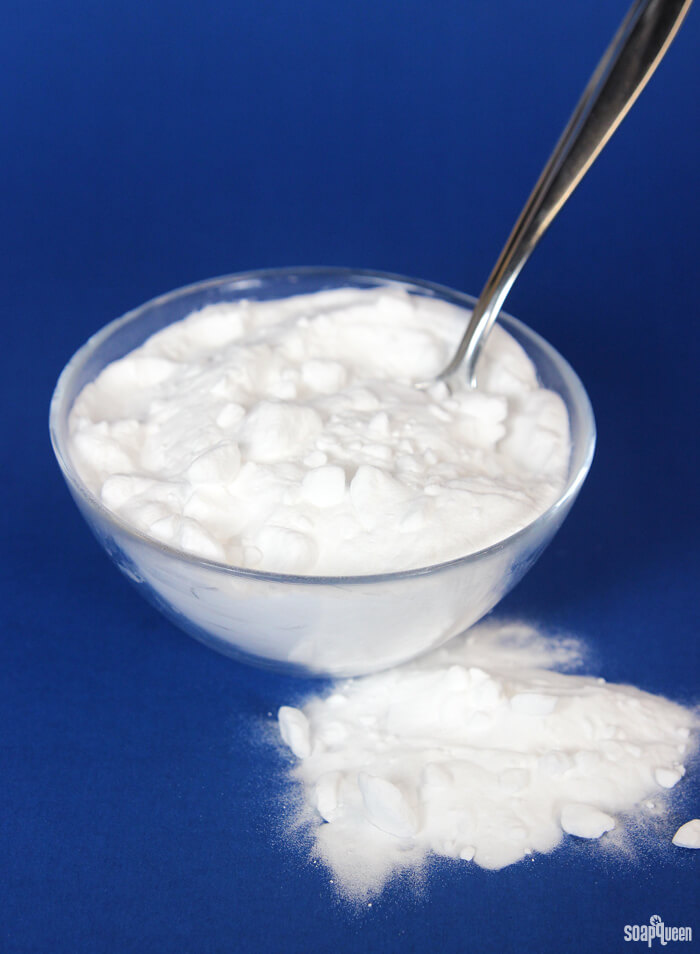
Baking soda is a light, fine white powder. The mineral form of sodium bicarbonate is called nahcolite. The majority of the baking soda in the U.S. comes from the vast trona mines in Green River, Wyoming. What is trona? According to the city of Green River Wyoming, “trona is the raw material which is refined into soda ash. Soda ash, in turn, is used to make glass, paper products, laundry detergents, and many other products. It also is used in the manufacturing of other chemicals, such as sodium bicarbonate (baking soda) and sodium phosphates (detergents).”

Baking soda is often confused with baking powder or washing soda. Baking soda is comprised solely of sodium bicarbonate, while baking powder is a mixture of sodium bicarbonate and cream of tartar. Washing soda, on the other hand, is the salt of carbonic acid and is commonly used as a cleaner. Interestingly, you can create washing soda from baking soda by baking it in the oven, as shown here. Pretty neat, huh?
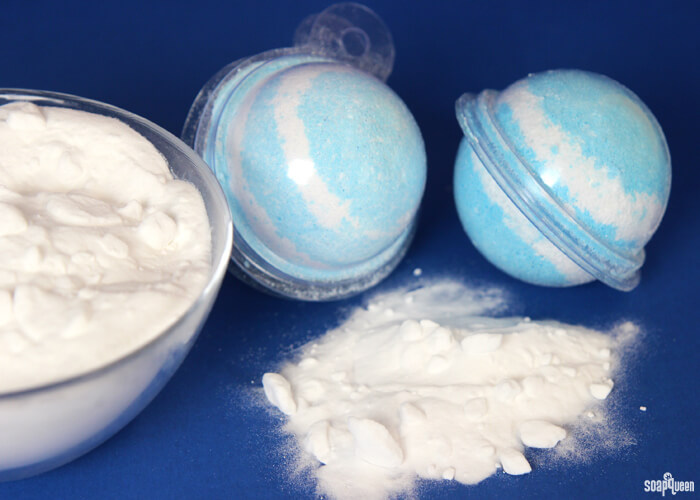
BakingSodaIn terms of bath and beauty DIY, the most common use of baking soda is to create bath fizzies. When sodium bicarbonate and citric acid are combined and introduced to water, they produce the “fizzy” reaction. Additional ingredients can be added to bath fizzies such as cornstarch, clays and oils, but bath fizzies simply are not fizzy without baking soda and citric acid! If you’re looking to create your very own bath fizzies, check out the tutorial below. For even more recipes, browse the Bath Fizzies project category.
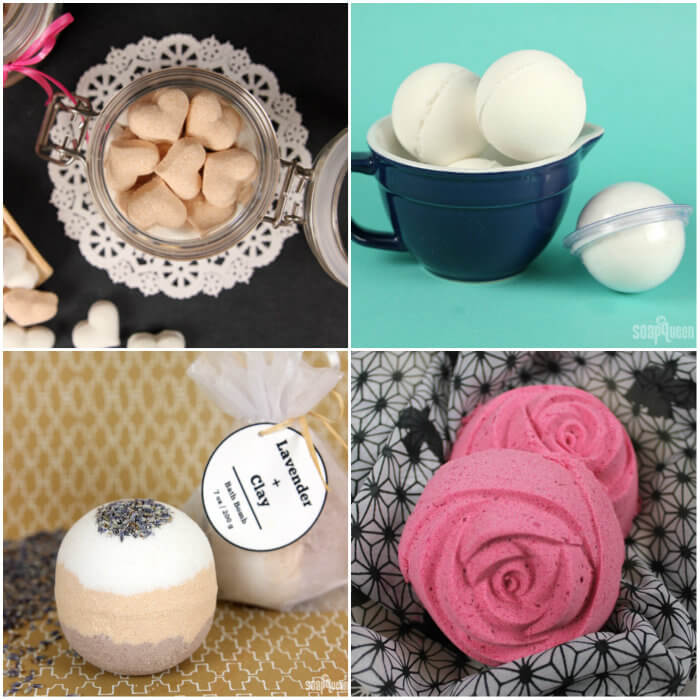
BathBombsCollageTop Row, left to right: Mini Heart Bath Bombs, Invigorating Foot Soak
Bottom Row: Lavender & Clay Mondo Bath Fizzy, Sparkle Power Bath Bomb

Because of its fine and powdery texture, baking soda is great for creating gentle scrubs. In the Sea Clay Dry Salt Scrub and the Cranberry Seed Foot Scrub, sodium bicarbonate is mixed with other exfoliants to create a dry scrub. Dry scrubs are scrubs that do not contain any oils or water. To use, simply apply the scrub to wet skin. Or, create a paste using water or oils immediately before use.
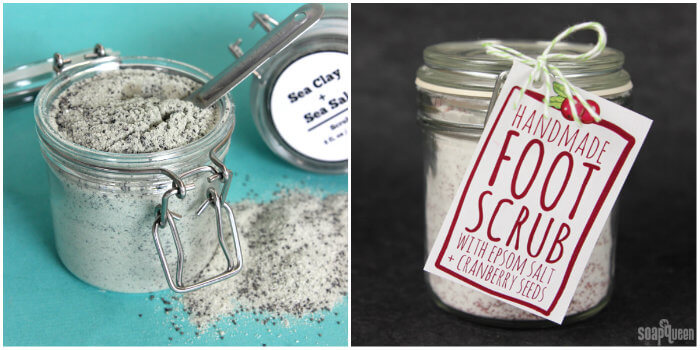
ScrubcollageLeft to right: Sea Clay Dry Salt Scrub, Cranberry Seed Foot Scrub

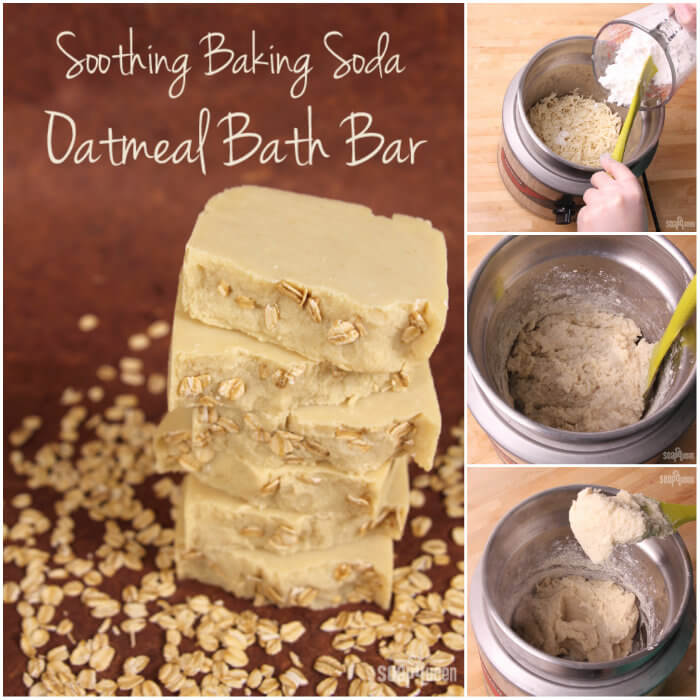
In cold process soap, we did a few tests of adding baking soda to lye water and soap batter. Unfortunately, the baking soda and cold process soap did not work well. Click here to see the experiments (scroll down to the bottom). Fortunately, we found that adding baking soda to rebatch worked wonderfully. In the Soothing Baking Soda Oatmeal Bath Bar, baking soda creates a scrubby bar that gives gentle exfoliation.
soapcollage
Baking soda is also known for its skin soothing properties, making it an excellent ingredient for bath soaks. In the Minty Layered Bath Salt tutorial, baking soda is mixed with epsom salt and Moroccan Mint Fragrance Oil to create a rejuvenating bath additive. In the Baked Dendritic Bath Salts, a combination of baking soda, dendritic salt and Jasmine Dreams Fragrance Oil make a soothing bath soak.
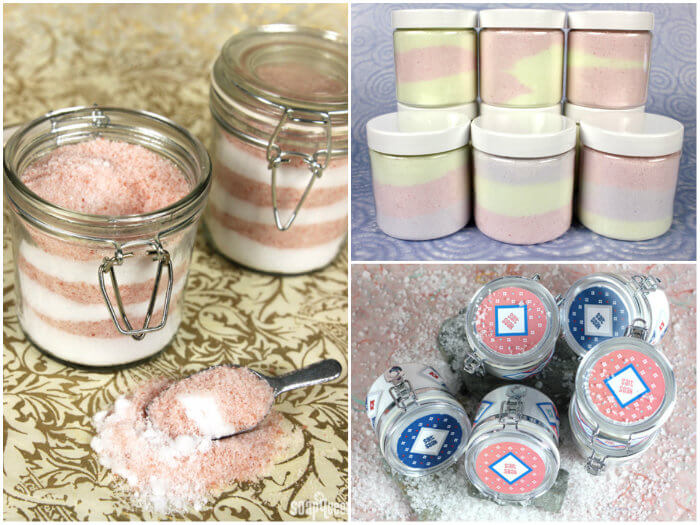
soakcollageLeft to right, clockwise: Minty Layered Bath Salts, Baked Dendritic Bath Salts, Winter Salt Soak

What is your favorite way to use sodium bicarbonate? Bath fizzies have always been a favorite of mine, but lately I have loved using it in scrubs. 

You may also like these

Become an email subscriber

Enter your email address below and you will receive all our new posts directly in your email inbox.

  1. Hi, my wife and I are big fans of hand made products and we really appreciate your website!
    Got one quick question :
    I’ve seen in a hardwear store here in the U.K. Bags of Sodium Bicarbonate written on it that it’s excellent for cleaning the house and gives a fresh carpet odour… blah blah bla… so according to your post, the cleaning Sodium Bicarbonate is cooked baking soda. My question is, can I use the hardwear store cleaning Sodium Bicarbonate in my bath bombs instead of baking soda? Does it have any harmful reactions to the skin? Or does it “fizz” less since it’s “cooked baking soda”?
    Many thanks!

  2. My local hardware store’s lye has 94% lye, 2% sodium bicarbonate and another 2% that I forgot (I’ll get back to you on that). Do you think it is safe to use in soaps? Do I really have to use 99% or 100% lye?

    Thanks!

    1. I wouldn’t recommend using that lye. The additives in there can do some weird things in soap. The lye doesn’t have to be completely pure (ours is 98%), but it does need to be free of additives. I would recommend seeing if you can find one with just sodium hydroxide. That will work best for soap. 🙂

      Sodium hydroxide lye: https://www.brambleberry.com/Sodium-Hydroxide-Lye-P3037.aspx

      -Kelsey with Bramble Berry

  3. I am curious and have been reading a lot of your articles. BTW, I remember when I first heard of you, way back in the late 90’s. It’s great to see you having grown as your have.

    Okay, here is my question. I would like to make a soap with a ton of big bubbles. This is mostly for the kids to “play” with. I have thought about SLSa, but wonder about it being an irritant. I doubt I can use citric acid and baking soda. I just don’t see how that could be combined in a CP soap. It might be a mess, trying to make up a bar like that. The kids would love it. They are so into mom making soap. My one son asked if he could have bubbles as big as his bubble wand. This is what is driving my learning about creating bubbles.

    Thanks!

    1. I missed this comment, I am so sorry for the late response Pirkel. If you want a really bubbly bar, castor oil is the way to go! When used at 2-5% it creates really rich lather. Using coconut oil up to 33% also helps create really nice bubbles. 🙂

      Read more about castor oil here: https://soapqueen.com/bath-and-body-tutorials/tips-and-tricks/sunday-night-spotlight-castor-oil/

      And more about coconut oil here: https://soapqueen.com/bath-and-body-tutorials/tips-and-tricks/sunday-night-spotlight-coconut-oil/

      -Kelsey with Bramble Berry

  4. Hello,

    Love your page!

    I had a couple quick questions.

    – would a regular CP soap recipe containing Palm, coconut, castor, avocado oils help cleanse the body and help deodorize it?

    – would adding salt to the soap help deodorize? and would the salt added reduce the bubbles and lather the soap produces?

    Thanks!
    Armando

    1. I missed this question, sorry about the late reply Armando. Cold process soap does cleanse the skin nicely and can deodorize as well, but it doesn’t have the same deodorizing properties as something like deodorant. Adding salt helps harden the soap and can also add light exfoliation. However, as with the regular bar, it will cleanse but not necessary deodorize as well as deodorant. The salt also affects the lather because it weighs it down. I’ll link some salt bars below you may like. 🙂

      Lavender and Pink Rose Salt Bars: https://soapqueen.com/bath-and-body-tutorials/cold-process-soap/lavender-and-rose-pink-salt-bars-diy/

      Brine and Rose Clay Soap: https://soapqueen.com/bath-and-body-tutorials/cold-process-soap/brine-and-rose-clay-cold-process-soap-soleseife-soap/

      -Kelsey with Bramble Berry

  5. I wanted to know if I could add baking soda to my melt and pour soap recipe. I already add about 1/3 cup of blender ground oats to 8 ounces of melt and pour with great success. Just wondered if I could also add baking soda at the same time and how much per 8 ounces of m&p.thanks for speedy response.

    1. Hi Jean!

      Just to make sure do you mean rebatch soap? I know you had a similar question on another post so I’m just double checking!

      Baking soda can inhibit the lather in the recipe. The great news is it feels great, and helps exfoliate so your skin feels fresh and clean. 🙂

      If you’re wanting a base with stable lather, you’ll love our Luxury Rebatch: https://www.brambleberry.com/Grated-Rebatch-Soap-Luxury–P4543.aspx

      We also have a lot of great exfoliants that don’t affect the lather, like shredded loofah. You can learn about those exfoliants and which one to use in the All About the Exfoliants post: https://soapqueen.com/bath-and-body-tutorials/tips-and-tricks/all-about-exfoliants/

      -Kelsey with Bramble Berry

  6. Question about rebatch or hot process soap:
    Does the soap feel kind of spongy after making? I mean after its made and unmolded?
    Even after a couple of days, well more like a week, the soap I made (it was hot process hero) still feels spongy a bit when I press on it. It was like mashed potatoes when I molded it. I am letting it sit longer, but just not sure if that’s how it normally is. It feels dry, just spongey when pressed. I never made that before, I only made CP soap so far. Thanks.

    1. Hi Martina!

      Because hot process soap is thicker when it’s going into the mold, it is prone to air bubbles. Excess air can make the soap feel a bit spongy.

      To prevent the spongy feeling, tap your mold on the counter several times while scooping the soap. This gets rid of the excess air and helps the soap feel firmer. You can see that process in action in the How to Make Rebatch Soap video on Soap Queen TV: https://soapqueen.com/bath-and-body-tutorials/cold-process-soap/soap-queen-tv-presents-how-to-make-rebatch-soap-2/

      -Kelsey with Bramble Berr

    1. Hi Margaret!

      That’s awesome, so glad you learned some new things! Thanks for reading. 🙂

      -Kelsey with Bramble Berry

Comments are closed.

{"email":"Email address invalid","url":"Website address invalid","required":"Required field missing"}

The Latest from Soap Queen TV

Inspired by Gems & Crystals

All About Essential Oils

The Power of Charcoal

Create Your Own Clay Face Mask

DIY Bath Bombs

Cold Process Soap Tips & Tricks

Learn the Basics of Cold Process Soapmaking

Learn the Basics of Melt & Pour Soapmaking

Want to Start Your Own Soap Business?

Soap Business Success Stories

Soap Queen TV Favorites

Ingredient Spotlight

Disclosure

Unless stated otherwise, all images are original material and are copyrighted. If you'd like to use an image, please be a friend and credit the photo and link back to Soap Queen. Feel free to share, tweet and pin to your hearts content.